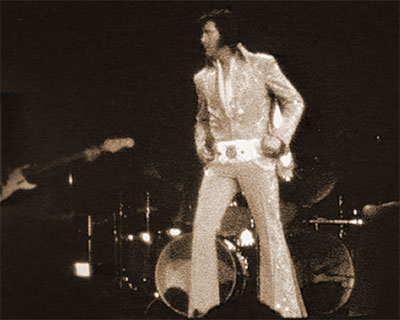
Triple Elvis powers a fresh vision of ALOHA FROM HAWAII

WARNING: This review contains major spoilers for Aloha From Hawaii: 40th Anniversary Edition.

Elvis Presley’s 1973 Aloha From Hawaii television special still stands as a significant milestone in his legendary career. The January 14 concert aired live via satellite to certain parts of the world.  Over the next several months, it aired in other locations, including the United States on April 4.

NBC’s US version of the broadcast featured a slightly edited concert, but also included several additional “insert” songs taped after the main show when the audience left the building. With only slight modifications, this was essentially the “standard” version used for rebroadcasts and home video releases through the 1990s.

2004’s Aloha From Hawaii: Deluxe Edition DVD from Elvis Presley Enterprises and BMG featured a new edit of the full concert. In addition to showcasing some new camera angles, it removed many of 1973’s split screen techniques – which had become dated over the years. The set also contained a January 12 rehearsal show taped as a backup, the January 14 insert song session, and the April 4 NBC broadcast. This 2-DVD set is the definitive release of Aloha From Hawaii.

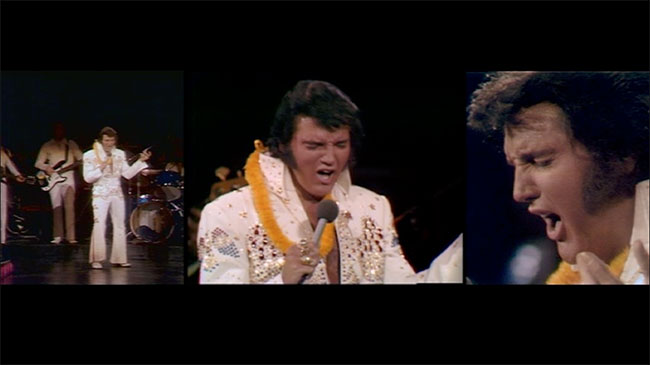
“Definitive” does not always mean “final,” though. On Monday, EPE released a new 2013 edit of the main show on DVD. Originally created for an Elvis celebration in Honolulu that marked the 40th anniversary of the TV event in January of this year, this edition features a wider presentation that makes use of split screens to show multiple camera angles at once.

Unfortunately, EPE has thus far spent very little effort marketing this new version of Aloha From Hawaii. Press releases and product descriptions have been high on hyperbole but low on detail. Therefore, before getting into the fun stuff, I want to start this review by explaining exactly what to expect with the new Elvis: Aloha From Hawaii – 40th Anniversary Edition DVD.

Specifications

Unlike 99% of DVDs professionally released in the last 10 to 15 years, Aloha 40th contains no technical specifications on the back cover, or anywhere else for that matter.

There are no indications of aspect ratio, running time, or audio channels. There is a “Dolby Digital” logo, but that is as close as it comes to giving technical information. Lack of standard details such as these made the product packaging appear amateurish.

Here are the key technical specifications for the main feature (concert), which I derived on my own:

  • Visual format: Anamorphic widescreen (enhanced for 16:9 widescreen TVs)
  • Aspect ratio: 3:1 (approximate)
  • Running time:  77 minutes
  • Audio: English 5.1 Surround (Dolby Digital)
  • Closed captioned: No
  • Disc region: All
  • Disc format: NTSC

Explanation of Aspect Ratio

Aloha 40th has a radically different aspect ratio compared to previous versions. To this point, Aloha From Hawaii has always been presented in its original television aspect ratio of 1.33:1 (also known as 4:3). This means that for every 1.33 units of width, there is 1 unit of height. This new version is over twice as wide, at about 3:1. For every 3 units of width, there is now only 1 unit of height. This is actually wider than most films of today, which are usually 2.75:1.

What all of this means is that there are black bars at the top and the bottom of the Aloha 40th image, no matter the kind of television used to watch it. Old-style 4:3 televisions will have much thicker bars, however, than modern 16:9 televisions.

Below are simulations that compare the standard 1.33:1 Aloha with the widescreen 3:1 Aloha 40th, in terms of image space used on each kind of television. This is not intended to illustrate relative image quality.
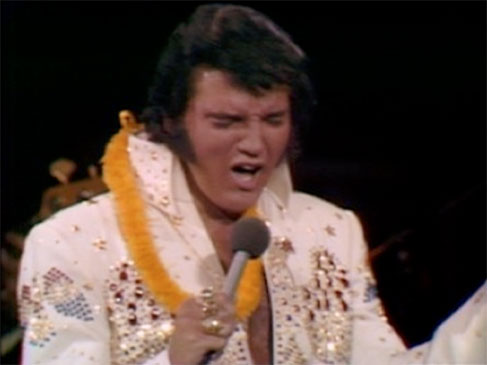
Simulation of original 1973 ALOHA FROM HAWAII image on an old-style 4:3 television
Simulation of original 1973 ALOHA FROM HAWAII image on an old-style 4:3 television

Simulation of 2013 ALOHA FROM HAWAII: 40TH ANNIVERSARY EDITION image on an old-style 4:3 television
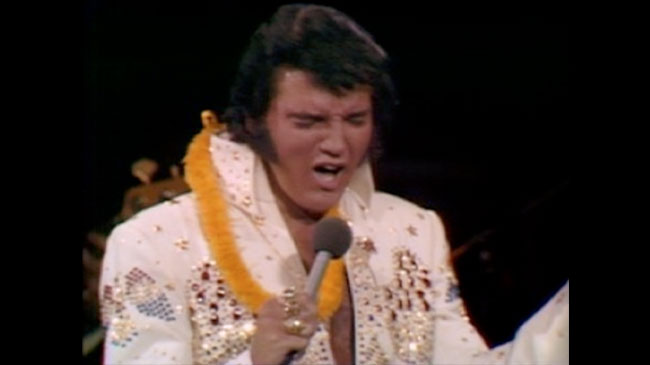
Simulation of 2013 ALOHA FROM HAWAII: 40TH ANNIVERSARY EDITION image on an old-style 4:3 television

Simulation of original 1973 ALOHA FROM HAWAII image on a modern 16:9 widescreen television
Simulation of original 1973 ALOHA FROM HAWAII image on a modern 16:9 widescreen television

Simulation of 2013 ALOHA FROM HAWAII: 40TH ANNIVERSARY EDITION image on a modern 16:9 widescreen television

Simulation of 2013 ALOHA FROM HAWAII: 40TH ANNIVERSARY EDITION image on a modern 16:9 widescreen television

Hanging Out Upstairs at Graceland

When I place Aloha 40th in the disc player for the first time, I do not know what to expect. I am always excited to watch a new Elvis DVD, but I am also afraid that this one will be disappointing. Will the contents be treated in the same amateur fashion as the packaging?

At first, the opening moments are fantastic, with bits of the Aloha press conferences interspersed with shots of the Earth from space.

Then, it zooms down to Graceland in Memphis, Tennessee, and things quickly go awry.

As the camera closes in on Elvis’ bedroom window, there is a knock on the door. The scene cuts inside and the camera takes on the point-of-view of someone exiting his room upstairs at Graceland.

Jerry Schilling is waiting in the hallway for this person, who turns out to be an Elvis imitator wearing an American eagle jumpsuit. Though shot in the present day, the footage is made to look vintage. In fact, it is made to look much older than 1973 for some reason.

In the background, the annoying “Also Sprach Zarathustra” substitute song that was used during backstage portions of Elvis On Tour (1972) and This Is Elvis (1981) plays. With fake “Also Sprach Zarathustra” as his introduction, is fake Elvis about to take the stage for a concert right there in real Graceland?

Not quite. The real Jerry takes fake Elvis down the stairs, through the den, and out real Graceland’s back door.

In the backyard, the real Joe Esposito is waiting to take them to a blue and white helicopter that has landed in the pasture.

These opening moments are reminiscent of both This Is Elvis and Elvis Lives: The 25th Anniversary Concert (released 2007). Ignoring for a moment that the unnecessary use of an Elvis imitator made me queasy, the new opening also left me with more questions than answers:

  • Jerry and Joe are both their present-day selves, so if this footage represents 2013, who exactly are they supposed to be retrieving from Elvis’ bedroom? His spirit?
  • If this footage is supposed to represent 1973, then why is (fake) Elvis already wearing his jumpsuit? Graceland is over 4,000 miles from Honolulu.
  • Where is that helicopter supposed to be taking fake Elvis anyway? To the airport? Elvis always took a car to the airport.

Surely, the creators of this segment are not trying to imply that fake Elvis, after being put out to pasture wearing his fake jumpsuit, rides that helicopter all the way to Honolulu? Everyone knows that when (real) Elvis arrives in Honolulu, he is in a green helicopter and wearing a corduroy suit.

Besides, if they really wanted to impress me, they would have loaded fake Elvis on the real Lisa Marie airplane and used CGI to show the plane take off for Hawaii right from Elvis Presley Boulevard. Sure, Elvis had not yet acquired his own plane at the time of Aloha, but why try to introduce logic into this insanity now?

Yes, I am nitpicking what is obviously supposed to be a fun little segment played for laughs. However, I watch Aloha to see the genuine article, not an imitation, so this poor opening almost spoiled the DVD for me.

Almost.

Then, the scene cuts to the familiar 1973 show opening – enhanced for widescreen. As the satellite graphic appears on screen, morse code begins to spell out E-L-V-I-S.

Soon enough, fake Elvis is wiped from memory as real Elvis takes the stage in all his dazzling glory. Except now, there are three of him!

The Triple Elvis Threat
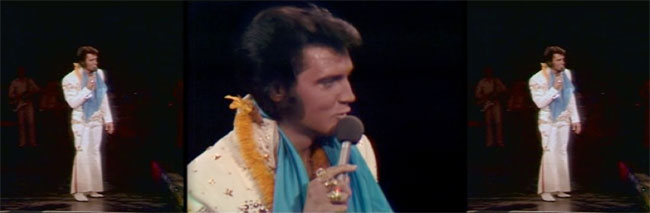
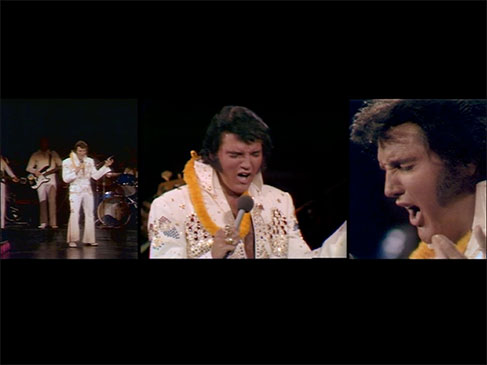
Example of the split screen technique used in ALOHA FROM HAWAII: 40TH ANNIVERSARY EDITION

Example of the split screen technique used in ALOHA FROM HAWAII: 40TH ANNIVERSARY EDITION

Throughout most of Aloha 40th, there is a main camera angle in the middle section of the screen, with two slightly smaller, cropped angles on the left and right sections of the screen. This configuration is used in one of three ways:

  • One angle: Same angle repeated in all three sections
  • Two angles: One angle in middle section, a second angle repeated on both sides
  • Three angles: A different angle in each section

I did not attempt to measure this, but my rough observation is that the two angle configuration of the three sections is used most often, while the three angle configuration is used least often.

The real power of Aloha 40th is being able to view multiple angles at once, so I found the one angle use to be disappointing in most cases. However, when used appropriately, it could still be effective.

With at least two different camera angles on screen at most times, there are undoubtedly some new angles mixed in there that have not been seen on previous releases. One of my favorites that I have noticed so far is Elvis giving a nervous look directly into the camera during James Burton’s “Steamroller Blues” guitar solo. I love moments like this, which humanize Elvis. He has become such a legend, such an icon in death, that his underlying humanity is sometimes lost. He was a real man, after all, who could get nervous on stage.

Watching the split screen angles is a treat, but it also gives my eyes a real workout. I keep scanning back and forth, trying not to miss anything. Meanwhile, the fast, modern editing techniques, including many jump-cuts, also leave me trying not to blink.

While the screen contains three sections most of the time, there are also segments where it splits into dozens of images at once – though still only one or two different angles. Those segments, which are thankfully brief, look like cheap gimmicks, as if someone was allowed to play with Microsoft Movie Maker too long.
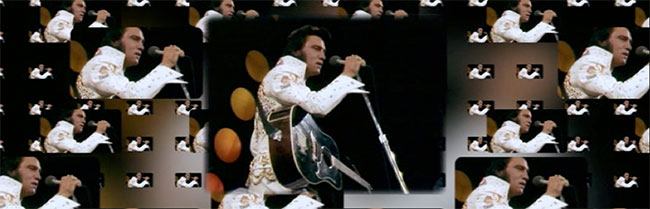
"There is nothing wrong with your television set." Visual overloads, such as the above, are thankfully rare in ALOHA FROM HAWAII: 40TH ANNIVERSARY EDITION

“There is nothing wrong with your television set.” Visual overloads, such as the above, are thankfully rare in ALOHA FROM HAWAII: 40TH ANNIVERSARY EDITION

To be fair, I am certain that the visual overload segments look far better in the environment for which this edit was originally created: Display on a huge movie screen in a large concert arena.

As for the concert, the complete version is used, meaning it includes the “lying like a rug,” “general flunky,” Jack Lord introduction, and other small lines cut from the NBC version.

All of the concert songs appear, including “Johnny B. Goode,” the song Warner Home Video was unable to secure usage rights for in its 2010 Blu-ray and DVD release of Elvis On Tour. EPE was either better at securing a deal with Chuck Berry than Warner, or the terms of its circa-2004 deal allowed for this release as well.

Insert Songs

Most of the “insert” songs from the NBC version of the special are included as well. Different imagery appears in these songs than in the 1973 versions, though.

Inserted between “You Gave Me A Mountain” and “Steamroller Blues,” “Early Morning Rain” contains various shots of Hawaii while Elvis is shown singing on stage after the audience has left.

“Blue Hawaii” features Elvis on stage again, but this time the additional sections are used as a scrapbook of sorts, showing various still photos of Elvis in Hawaii over the years, including production photos from Blue Hawaii, Girls! Girls! Girls!, and Paradise, Hawaiian Style. There are several images that I do not recall seeing before. However, I am not a photo collector, so they might be common.

Since Elvis sings most of “Blue Hawaii” with his eyes closed, the impression is given that he is thinking back on the events shown in the montage. It is an extremely effective sequence, though, in reality, Elvis is probably thinking, “Man, I just finished the biggest show of my career, why am I still stuck here singing to an empty room?”

While previously inserted between “Hound Dog” and “What Now My Love,” “Blue Hawaii” is now placed between “I Can’t Stop Loving You” and “Hound Dog” for some reason. Perhaps the “lying like a rug” line seemed too abrupt of a stopping point to move to the insert. I prefer it in its original position, though.

“Hawaiian Wedding Song” is omitted (as is “No More,” technically, but that was left out of the 1973 broadcast as well, so I am not counting that one). It is the only missing song, and its absence after “I’ll Remember You” does not leave near the same hole as the absence of “Johnny B. Goode” did for the opening of Elvis On Tour.

The remaining insert song is “Ku-u-i-po,” which appears in its traditional spot after “Long Tall Sally/Whole Lotta Shakin’ Goin’ On.” At first, I am annoyed that only two sections of screen appear, neither of which include Elvis singing in 1973.

Then, it happens.

The Surprise

Right there, in the middle of “Ku-u-i-po,” with no fanfare, no preparation, comes footage of Elvis appearing live in Hawaii.

In 1957.

In color.

It is 30 seconds long.

But . . . wow.

This previously unreleased footage is part of a new exhibit at Graceland, called Elvis’ Hawaii: Concerts, Movies and More.

While the split screen techniques of Aloha 40th will someday seem as dated as the 1973 versions did by 2004, the real legacy of this release, what it will be remembered for long-term, will be those 30 seconds of 1957 footage.

Audio

In no way do I claim to be an audio expert, so all I can do is present my subjective opinion on this topic as a layman. My first impression of Aloha 40th‘s 5.1 audio was that I did not like the new mix.

For instance, there seemed to be little use of the rear speakers, except for background singers. In addition, Elvis’ vocal was far too prominent for my taste.

As a comparison, I played “An American Trilogy” from the original pressing of the 2004 edit of Aloha versus the same song on the 2013 edit. While the 2004 mix also has room for improvement, it is far better, in my view, than the 2013 mix. The 2004 mix has a fuller sound with more ambience.

The difference in mixes is best exemplified by what I refer to as the musical “cannon fire” portion of “Battle Hymn of the Republic,” the part where the orchestra goes, boom! Boom!! BOOM!!!

On the 2004 mix, you are the one under fire. In the 2013 mix, the cannons are merely firing off at someone else in the distance.

My primary listening for Aloha 40th was on a six-speaker surround system that used the Dolby Digital encoding (left, center, right, left rear, right rear, and sub). I also listened to selections on a standard two-speaker stereo setup (left and right).

Unlike the 2004 edition, there is not a dedicated stereo track available. Presumably, this means it is left to one’s audio equipment to convert the 5.1 sound to 2.0. In my case, it sounded fine. In some ways, I enjoyed it more than the true 5.1 version, but that might be due to having lower expectations.

Video

As shown in the aspect ratio image examples above, the tradeoff of the multiple angles on Aloha 40th is that the visuals are now smaller overall, using less screen space.

That being said, video quality never jumped out at me as a significant issue on this release. I also do not claim to be a video expert, though, so I only present my perspective as a fan who has watched and enjoyed Aloha From Hawaii for years.

Overall image quality is about the same as the 2004 edition, which was very clean. Once again, I used “An American Trilogy” to make most of my comparisons.

Some of the video footage this time out has an occasional darker look, though, but that may be an intentional effect. Though I noted it, it was not distracting.

Coloring sometimes varies from angle to angle. For instance, Elvis’ jumpsuit sometimes looks white, while other times it is an off-white. Due to the many factors that could cause this, though, I am not prepared to blame the variances on this release in particular. In fact, I am almost sure this has always been the case. The split screens simply make it easier to detect.

One of the things that surprised me was that the 2013 image often appeared crisper than the 2004 version. Since I was watching on a high-definition television, this unexpected benefit was likely due to the comparatively low-resolution image not having to be artificially expanded as much for the increased resolution of modern TVs.

My primary viewing of Aloha 40th was on a 73-inch widescreen TV, from a distance of about ten feet. I also viewed selections on a 27-inch widescreen monitor, from a distance of about three feet. Unfortunately, I did not have ready access to an old-style TV to test how Aloha 40th appears in that format.

Due to the extremely wide aspect ratio and split screen technology, larger, widescreen televisions will obviously have better results than smaller units. However, even on the 27-inch widescreen, Aloha 40th was still enjoyable.

Extras

Aloha 40th also includes the following bonus content:

  • 40th Anniversary Aloha From Hawaii Celebration: A four-minute documentary, which, combined with the main show, certainly makes this DVD a fine souvenir for those fortunate enough to participate in Graceland’s Elvis-themed Hawaiian vacation package earlier this year. It just makes the rest of us jealous, though.
  • Elvis’ Hawaii: Concerts, Movies, and More! Exhibit: A five-minute documentary about Graceland’s new exhibit, narrated by Angie Marchese, EPE’s Director of Archives, who created the exhibit. This documentary does a great job in the time allotted explaining what went into creating the new exhibit, as well as giving a nice walkthrough of its contents. This is another chance to see that spectacular 1957 concert footage, by the way. This documentary also reminds me that I really need to go back to Graceland one day.
  • Aloha From Hawaii Press Conferences: Five minutes worth of footage from Elvis’ September and November 1972 press conferences. I have seen this footage elsewhere in better condition.

Though I will not watch them very often, the extras are fine. I especially enjoyed the one about the exhibit, which acts as a commercial for Graceland without being obvious about it.

The only additional item I would have preferred in a release of this nature would have been a “making of” documentary about the 2013 edit.

Booklet

The booklet that accompanies the Aloha 40th DVD is actually a modified version of the program given at the 40th anniversary event in January. Though it is nicely assembled, the 12-page booklet contains typical information and pictures. It contains no further details about the DVD. Even the song-listing included is noted as supposedly being for the 1973 NBC broadcast version.

Overall Verdict

Ultimately, the wide format and split screens of Aloha 40th work better than I imagined they would, and they serve to shed new light and energy upon a concert that has become so familiar to Elvis fans. Use of split screen technology returns Aloha to its roots, albeit in modern form.

Aloha 40th should not replace previous edits of Aloha From Hawaii, though. Instead, it should stand alongside them as another viewing alternative.

I know there are some fans who do not enjoy Aloha From Hawaii. They criticize it for a multitude of reasons: Elvis is sluggish, Elvis is nervous, Elvis disrespects his older hits, etc.

While many of those kinds of observations are indeed valid to some extent, I cannot help but love Aloha From Hawaii anyway. While Elvis was alive, it was really his last moment in the international spotlight. Though it might never be in serious contention as his best show, I still find it hugely entertaining and compelling.

If you have not been a fan of Aloha From Hawaii to this point, this DVD is not likely to change your mind. No amount of special editing could ever do that.

If, on the other hand, you already enjoy Aloha From Hawaii and are willing to embrace change, then the Elvis: Aloha From Hawaii – 40th Anniversary Edition DVD is a must.

Once Elvis took the stage, I had a big smile on my face the entire time.

It’s Elvis. It’s fun. What more could I ask?
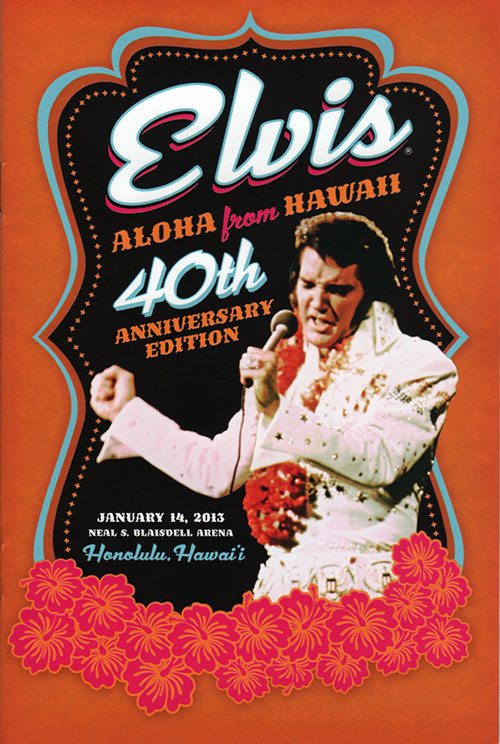
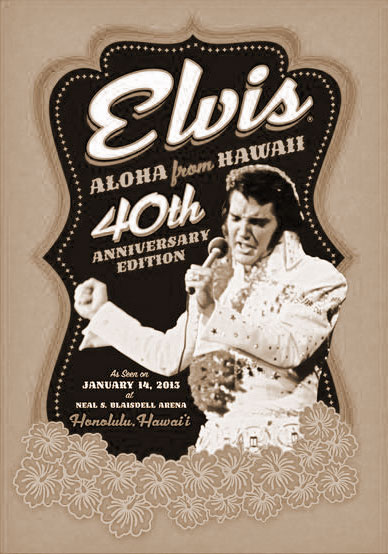
Booklet cover for ELVIS: ALOHA FROM HAWAII - 40TH ANNIVERSARY EDITION (2013)

Booklet cover for ELVIS: ALOHA FROM HAWAII – 40TH ANNIVERSARY EDITION (2013)
Elvis Presley Enterprises to release ALOHA FROM HAWAII: 40th ANNIVERSARY EDITION DVD in mid-August

ALOHA FROM HAWAII: 40th ANNIVERSARY EDITION DVD (2013)

ALOHA FROM HAWAII: 40th ANNIVERSARY EDITION DVD (2013)

This product snuck up on me in the recent official Elvis products catalog. As far as I can tell, there has been absolutely no publicity thus far about a DVD release of Aloha From Hawaii: 40th Anniversary Edition. Nevertheless, Elvis Presley Enterprises is set to release the new DVD in less than two weeks, on August 16.

It will contain the 2013 edit of the concert as shown earlier this year in Hawaii. The new edition features split screen visuals that expand the viewing area, resulting in a more theatrical presentation than the standard television editions seen in the past. Time will tell, but I’m hopeful this expanded width will look terrific on modern 16:9 widescreen TVs.

Here is the item description:

Elvis Presley made television and entertainment history with his “Elvis, Aloha from Hawaii” concert television special. The performance took place at the Honolulu International Center, now known as the Neal Blaisdell Arena, on January 14, 1973. It was beamed live via Globecam Satellite to various countries, on a delayed basis to approximately 30 European countries and first aired in the U.S. on April 4 on NBC. The viewing audience was estimated at over one billion worldwide.

In celebration of the 40th anniversary of “Elvis, Aloha from Hawaii,” fans from around the world gathered in Honolulu in January 2013 for five days of celebrations. The highlight of the week was a screening of a special re-edited version of “Elvis, Aloha from Hawaii,” that was shown at the Blaisdell Arena on January 14, exactly 40 years to the day Elvis performed there.

The re-edited version, which includes rarely-seen footage and audio, received rave reviews from critics and fans alike. This special 40th anniversary edition offers a new look at Elvis during one of his most outstanding concert performances of his career.

ELVIS ALOHA FROM HAWAII
• Re-edit of “Elvis, Aloha from Hawaii” as seen at the Blaisdell Arena in Honolulu on January 14, 2013

BONUS FEATURES • Event footage from the “40th Anniversary Aloha from Hawaii Celebration” in Honolulu in January 2013
• A Look Inside the New “Elvis’ Hawaii: Concerts, Movies and More! Exhibit” at Graceland
• Clips from Elvis’ “Aloha from Hawaii” Press Conferences
• Replica Booklet of Program from January 14, 2013 Screening Event

I’ve read this a few times, and it sounds almost too good to be true. In the back of my mind, there is a nagging question that I wish would go away: Have any songs been removed from the 2013 edit of the concert?

August 7, 2013, Update: According to a Shop Elvis email blast that went out today, the release date on this item is now August 19. Unfortunately, no further details on the the technical specifications.

August 22, 2013, Update: Check out my full review of Aloha From Hawaii: 40th Anniversary Edition DVD.

Never say goodbye to Aloha From Hawaii

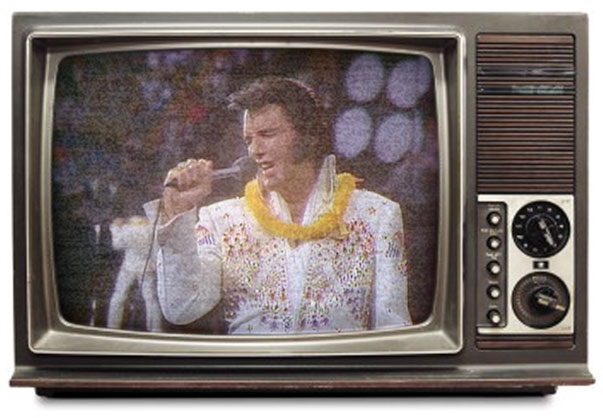
Elvis on NBC, 1973

NBC aired the Elvis: Aloha From Hawaii special on April 4, 1973

Yesterday marked the 40th anniversary of the United States television broadcast of Elvis: Aloha From Hawaii on NBC. The special had been taped in January 1973 during a “live via satellite” broadcast to certain parts of the world. With all of the hype surrounding the first live satellite broadcast by an entertainer, many Americans to this day wrongly believe they saw 38-year-old Elvis perform the show live. Little did they know that he was watching the TV special, too.

The NBC version of Elvis: Aloha From Hawaii aired from 8:30 PM to 10:00 PM on April 4, 1973. It became the most-watched show of the week. Among the viewers was indeed Elvis himself, who tuned-in from his home in Los Angeles. This edition of the show included the one-hour January 14 concert as well as four post-concert insert songs that Elvis recorded after the audience emptied from the venue.

Among Elvis fans today, the show receives mixed reviews. Some see it as the pinnacle of his career and success, while others see it as one of the first indicators of his decline. My Mom is one of those who adores Aloha From Hawaii. An Elvis fan since 1956, Aloha From Hawaii represents her ideal version of Elvis. I have a hard time getting her to watch anything else Elvis-related with me, unless we look at this one first.

As a second-generation fan, I wasn’t even born when Aloha first aired. In fact, I’m now the same age (almost to the day) Elvis was when he performed this show. While I prefer the ’68 ELVIS special and 1970’s That’s The Way It Is, I definitely enjoy Aloha From Hawaii. Though it was not his best show ever, in many ways it represented his final triumph in the eyes of the world.

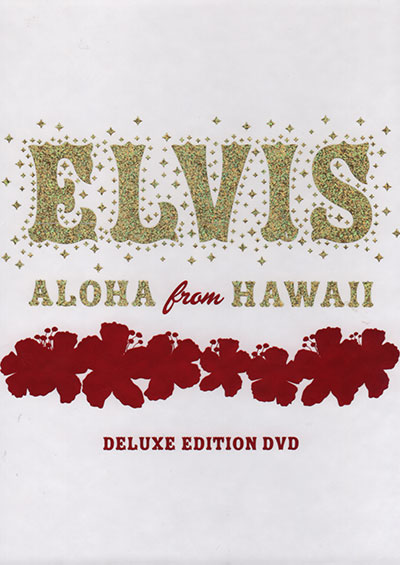
Elvis Aloha From Hawaii, 2004 Deluxe Edition

Elvis Aloha From Hawaii, 2004 Deluxe Edition

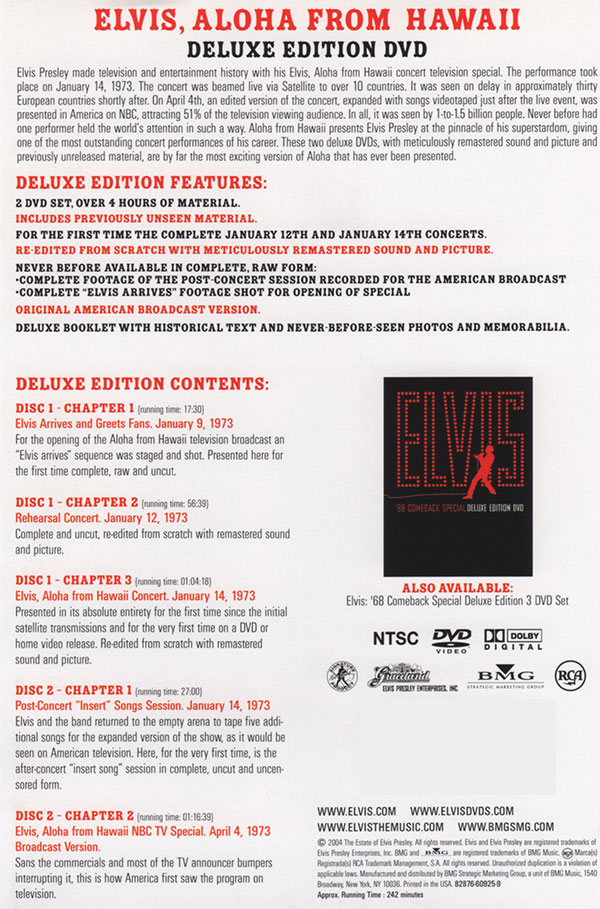
Though the show had appeared on home media several times before, Elvis Presley Enterprises and BMG released an ultimate version in 2004 as the 2-DVD set Elvis: Aloha From Hawaii – Deluxe Edition. Here are the contents:

DVD 1
1. January 9, 1973: Elvis Arrives and Greets Fans (17:30)
2. January 12, 1973: Rehearsal Concert (56:39)
3. January 14, 1973: Elvis: Aloha From Hawaii Concert (1:04:18)

DVD 2
1. January 14, 1973: Post-Concert Insert Songs Session (27:00)
2. April 4, 1973 (broadcast): Elvis: Aloha From Hawaii NBC TV Special Version (01:16:39)

Contents of Elvis Aloha From Hawaii, 2004 Deluxe Edition

Contents of Elvis Aloha From Hawaii, 2004 Deluxe Edition

2004 was a milestone year for Elvis fans. On the same day as the above, EPE and BMG also released the 3-DVD ELVIS: ’68 Comeback Special – Deluxe Edition set. I could barely contain my excitement when both sets arrived at my house nearly a decade ago now.

Executive Produced by Gary Hovey and the late Todd Morgan, both of these deluxe sets turned out to be among the most important Elvis releases ever. For obsessive Elvis fans like me, these DVDs represent essential viewing. I return to them often.

Though DVD 2 also holds interest, when it comes to Elvis: Aloha From Hawaii – Deluxe Edition, I tend to watch DVD 1 most often. The 2004 re-edits of the rehearsal and satellite shows represent the best releases of this material to date.

Last night, however, I plopped in DVD 2 in order to watch the April 4, 1973, version of Aloha From Hawaii. Before “Burning Love” could even finish, to my horror, the image on my screen began pixelating. It finally froze. An examination of the disc revealed scratches. I skipped ahead to the next song, but the problem kept occurring. I ended up watching about twenty minutes of the show in fits and starts.

I think I am very careful with my discs, so I’m not sure how these phantom scratches sometimes occur. I guess I have to chalk it up to equipment oddities. Either that or my dog plays my CDs and DVDs when I’m not around.

In any event, the reason I was horrified was not due to having to halt my 40th anniversary viewing of Aloha From Hawaii, but because I knew Elvis: Aloha From Hawaii – Deluxe Edition was now hard-to-find.

In fact, only a few months ago I had searched for it as a potential Christmas gift for someone. At that time, it was only available from third-party sellers at three times the original price. I love Elvis, but I refuse to pay exorbitant prices to such speculators. A quick check last night revealed the pricing to be the same.

Naturally, I did what any self-respecting fan would do in such a situation. I took to twitter to whine.

By this time, it was around midnight. I do not always get along with the twitter late at night, so I managed to tweet the following message to myself: My 2004 Aloha From Hawaii Deluxe Edition is giving out. If only @ElvisPresley would re-release this essential 2-DVD set.

Tweeting to myself

Tweeting to myself

I wish I could blame tweeting to myself on having a few too many, but I never drink. I don’t need to imbibe in order to do stupid things, it seems.

Fortunately, my message somehow managed to get through to @ElvisPresley, the official Elvis Presley Enterprises twitter account. Apparently the people over there at EPE actually know how to work twitter, for they sent me a link via direct (private) message to where the Deluxe Edition was still available on ShopElvis.com.

Now, why didn’t I think of that? I spend more money than I will ever admit on ShopElvis.com, but missed checking for the Elvis: Aloha From Hawaii – Deluxe Edition in this most obvious of places last night. Sure enough, it was there, in stock, and at a fair price.

  • Replacement copy of Elvis: Aloha From Hawaii – Deluxe Edition? Ordered.
  • Backup copy of ELVIS: ’68 Comeback Special – Deluxe Edition? Ordered. [This one is also now “hard-to-find” and is at crazy prices from third-party sellers.]

There is an Aloha From Hawaii for everyone. If you are not quite as obsessive as me when it comes to wanting to view all possible footage, 2006’s Elvis: Aloha From Hawaii – Special Edition DVD features only the 2004 edit of the January 14 main show. It is less expensive than the 2-DVD version and will certainly satisfy more casual fans.

Last month, Sony released the Legacy Edition of the Aloha From Hawaii via Satellite soundtrack album as a 2-CD set. Note that this is only the music, no video.

I’ve not picked this one up as of yet, but be sure to read this fantastic review of the Legacy Edition of Aloha From Hawaii via Satellite over on The Second Disc.

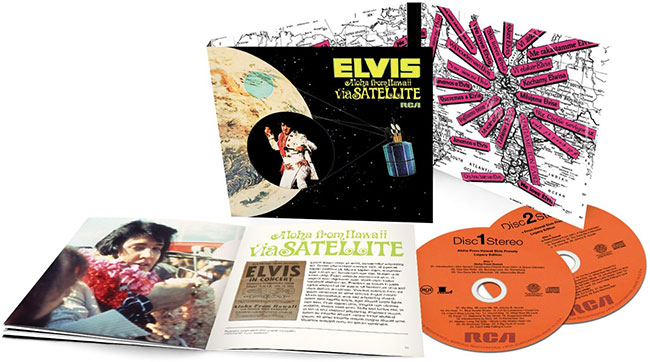
Here are the contents of the Legacy Edition:

CD 1
January 14, 1973: Aloha From Hawaii via Satellite (original album, 1973 vintage mix, remastered by Vic Anesini)

CD 2
1. January 12, 1973: Rehearsal Concert (2013 mix and mastering by Steve Rosenthal and Rob Santos)
2. January 14, 1973: Post-Concert Insert Songs

Elvis Aloha From Hawaii via Satellite, 2013 Legacy Edition

Elvis Aloha From Hawaii via Satellite, 2013 Legacy Edition

Top 10 Elvis News Stories of 2012

The Mystery TrainLast year (two days ago), Kees wrote a guest post here on The Mystery Train covering what he considers some of 2012’s Elvis news highlights.

To return the favor, I wrote a guest post today for his site covering my Top 10 Elvis News Stories of 2012. Check it out over at Elvis Day By Day.

Guest Post: A Trip Down 2012 (Part 2)

The Best News Stories 2012 (A) by Kees

Halfway through the year, as part of a “double post” with Ty, I compiled an article listing what I considered the Elvis news highlights of 2012 through that point. Now, on the verge of 2013, it is time for me to finish with what I consider the most important Elvis news stories from the last six months. Let’s pick it up where we left off.

A Boy From Tupelo

July 28: The Holy Grail

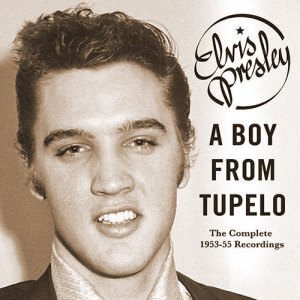
One of the best news stories of 2012 was, of course, the announcement of the release of A Boy From Tupelo by Ernst Jorgensen. July gave us the tracklisting, confirmation of a previously unreleased song entitled “Little Mama,” and several live performances of songs we only knew from studio recordings.  Three days later, the box was released. Funny to see how all details were kept secret, especially in this day and age when nothing appears to be safe.

Wire Machine

July 13: A Miracle

Miracles do exist. On July 13, news broke that YouTube user “amberola1b” posted a previously unreleased recording of Elvis singing “I Forgot To Remember To Forget” live at the Louisiana Hayride on October 1, 1955. How ironic it is that after ten years of work, Jorgensen finally announces the release of Elvis’ body of work from that era and then this recording surfaces. News went through the Elvis world like a wildfire.

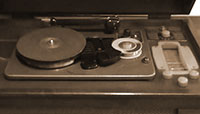
The song was recorded on an early Silvertone “wire” recording machine. We initially hear Buzz Busby and the Bayou Boys before Horace Logan introduces Elvis, Scotty, and Bill with their “modern-day type” new single, “I Forgot To Remember To Forget.” 
The reaction from Jorgensen was, “Wow – it’s unbelievably beautiful. I’m still trying to recover from the shock.”

The audio quality was very good, especially considering that it was a camcorder capturing the antique machine playing the wire. It almost sounded better than the new concert recordings on the A Boy From Tupelo set. This discovery showed that miracles can still happen. Who knows what is still out there ready to be discovered?

Especially because you could listen to the newly discovered song, this was one of the highlights of the year for me. I enjoyed being an Elvis fan again.

It was sad that Elvis Presley Enterprises did not appear interested in this news. I mailed them several times but got no other answer than, “Thank you for sending your email concerning a new live recording of Elvis. Unfortunately, I don’t know anything about the new recording besides the link that you shared with me in your prior email.” EPE never mentioned the newly discovered recording.

One day after the song hit the Elvis world, the owner discovered the potential value of what he had put online and threatened all those linking to his video with copyright violations. The song was bootlegged by various fan clubs and appeared on a handful of CDs, so fans could still enjoy this recording. An official release still has yet to see the light.

Graceland book

July 6: Graceland Through The Years 1957-1977

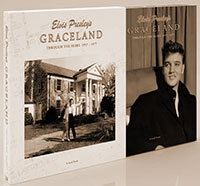
Boxcar Enterprises released a book, Graceland Through The Years 1957-1977, on July 6. The first edition of the book, limited to 2000 copies, sold out immediately. I enjoyed reading this book very much. It brought back a lot of memories of walking through the famous mansion in 2001. I still cannot believe that a former bootlegger can produce a book like this, rather than EPE, which is sitting on a wealth of original information and memorabilia. Graceland Through The Years contains 450 pages with over 1000 photos, many never before published.

Bootleg Elvis book

July 3: A Bootleggers Treasure

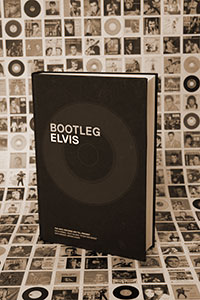
Speaking of bootleggers, the book Bootleg Elvis was also released in July. With the Graceland and Tupelo books, this release marks another essential book release. It documents all known vinyl bootleg releases, with additional background information from the original bootleggers themselves. It is not the kind of book you sit down and read cover-to-cover, but it is an essential reference and fun book to browse through every now and then. It is always fun to look up the vinyl in your own collection (no I found no hidden treasure …). When will the follow-up on all bootleg CDs appear?

August 1: The Holy Grail From Another Planet

August 1, 2012 marked the release of A Boy From Tupelo book and CD set – an essential release for any fan who wants to know everything from the early years of Elvis Presley’s career in music. I’m still reading it and will be for some time. Thank you, thank you very much, Ernst!

Sony Legacy also spread the news on the Prince From Another Planet double CD/DVD set containing Elvis’ legendary concert performances from Madison Square Garden. Sony simultaneously released three Madison Square Garden products:

1.) A vinyl re-issue of the original 1972 album As Recorded At Madison Square Garden. [Music On Vinyl also re-issued this same title.]

2.) A double CD containing the original mixes of Elvis’ June 10 shows as originally released on As Recorded At Madison Square Garden and 1997’s An Afternoon In The Garden.

3.) The Prince From Another Planet double CD/DVD set containing new mixes of both June 10 shows, with the DVD including audience footage from the afternoon show.

One would expect that the two CD sets would be the same, but Sony instead decided that the sets would contain different mixes and masterings of these concerts. Also, the footage on the DVD does not cover the entire concert, so Sony chose to show a black screen while the audio continues. Why not create a mini concert with only the available footage?

Elvis with Sheila Ryan

Elvis with Sheila Ryan

September 18: Sheila Ryan Died

This year quite a few people from the Elvis world died. Bernard Lansky, who dressed him in the early days, friends like Patti Parry and Lance Legault, people he worked with professionally or admired, like Tony Curtis, musicians, directors, and concert promotors.

One stood out from the rest for me – his one-time girlfriend Sheila Ryan. She passed away at the age of 59 after a battle with cancer. After Elvis and Linda Thompson broke up, he dated Sheila for a while in 1974. They first met in Las Vegas. Elvis performed “And I Love You So” many times during his concerts and dedicated it to Sheila.

October 23: Hits From The Seventies

The Follow That Dream Collectors label released the Hits Of the 70’s compilation in October. Is it a very important release? I guess not, but it does mark a new direction for the collectors label. Could it be the bottom of the barrel is finally in sight after 100+ FTD releases?

The CD itself got mixed reactions and reviews, mainly because it did not contain any previously unreleased material. For me personally, that’s no problem, the music on this compilation is very good and I enjoy listening to it very much. Releases like this bring back memories of discovering Elvis when I was young.

November 28: Elvis Inducted into Memphis Music Hall of Fame

Elvis, among other Memphis music greats, was inducted into the Memphis Music Hall of Fame during a musical tribute held at the Cannon Center for the Performing Arts in downtown Memphis.

Memphis is often known as the cradle for legendary musicians in blues, soul, and rock ‘n’ roll. Until now, there was no Hall Of Fame – which was new to me. Walking around Memphis and enjoying all the different links to many kinds of music, this had escaped me.

The event was sponsored by the Memphis Rock ‘n’ Soul Museum. The ceremony consisted of 25 inductees who maintained strong ties to the Memphis community and were pioneers in the music industry. Other Memphians honoured were Sun Studio founder Sam Phillips, DJ Dewey Phillips, blues legends BB King, Howlin’ Wolf, and Isaac Hayes, among many others.

According to the Memphis Commercial Appeal, Priscilla Presley accepted on behalf of Elvis and noted that Elvis’ musical influences included several of his fellow inductees. “I know he would be humbled and pleased to be included in standing with them tonight at this inaugural event,” she said in a video message presented during the ceremony.

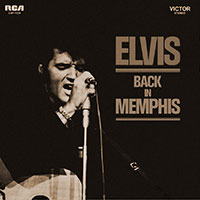
Back In Memphis, 2012 FTD Edition

November 5: Back In Memphis

The Follow That Dream label announced the release of Back In Memphis in their Classic Album” series. This is one of my all-time favourite albums with great recordings like “Inherit the Wind”, “Stranger in My Own Hometown” and, of course, the fan-favorite “Suspicious Minds” – which FTD added as a bonus track. The additional alternate takes of these and other songs from the original album never sounded so good.

November 26: Elvis Files Vol. 1 ’53-’56

Erik Lorentzen shared a preview of the first volume of his Elvis Files anthology. This volume contains the years 1953 through 1956. These years turned the boy into a man and finally the King of Rock ‘n’ Roll. If I think of Elvis, images from this era come to mind. For me, this is what embodies Elvis. Two volumes are still shrink-wrapped and will probably be after I receive this volume. The first volume chronicles Elvis’ rise from his pre-SUN discovery to becoming the world’s biggest new sensation – over more than 500 pages and 1,200 photos. Featuring all Elvis events from 1953-1956, every working moment, the early tours, the first Las Vegas trip, recording sessions, the TV shows, and lots of unseen and unpublished images (according to the press-release). Originally announced for release in December 2012, it will be available early 2013.

December 21: Aloha From Hawaii – 40th Anniversary Edition

The year closes with a bang! Boxcar Enterprises announced that, in association JAT Publishing, it will release a 40th Year Anniversary special book in celebration of Elvis’ iconic Aloha from Hawaii, titled Elvis – Aloha via Satellite, in February 2013.

This massive, comprehensive 450-page volume is packaged and housed the same as Elvis Presley’s Graceland Through The Years. The book comprises hundreds upon hundreds of photographs, many of which have never before been seen.  Also collected exclusively are scores of historical memorabilia and the Colonel’s original internal documents and scripts. According to the press release, this is intended to create a time-travel experience of sorts documenting the most ground breaking event in the annals of television history.

2012 Wrap-up

So this wraps up 2012. Was it a good year? Browsing through the 290 posts I did on my Elvis Day By Day blog I can only say it was. On only 75 days, I did not find anything interesting to post. After years with only a few outstanding releases, 2012 raised the bar on CD and book releases, while vinyl made a comeback.

I did not get much of the 35th anniversary celebrations, but we got A Boy From Tupelo, for many fans a “holy grail”, we got a lot of vinyl, we got the Prince From Another Planet, a newly discovered recording of “I Forgot To Remember to Forget”, many import releases, and a series of great books. A few years ago, we thought the well had run dry, but I believe we may still get a few surprises in the years to come. See you around next year!

/Kees, Elvis Day By Day

The Best News Stories 2012 (B) by Kees

Prince From Another Planet highlights an unreachable star

Sony released three new Elvis titles to US stores on Tuesday, all of them related to his 1972 appearances at Madison Square Garden. While I commend Sony for bringing these releases to market, they have also brought along with them much confusion over the similar contents.

I’m no miracle worker, but I’ll try to clear this up for you as best I can.

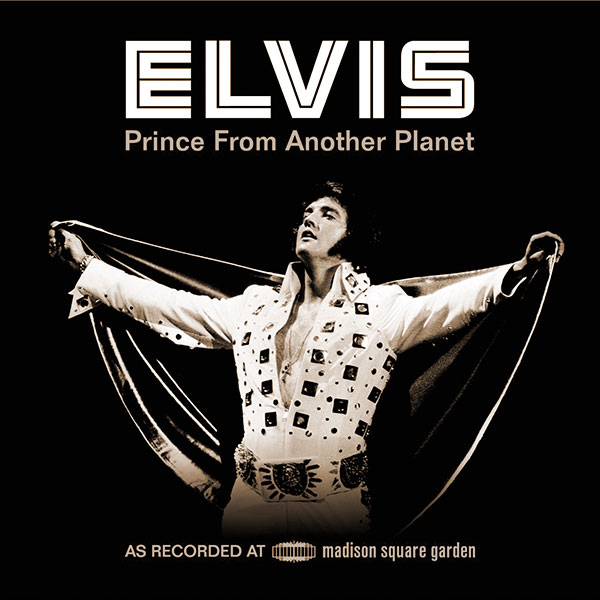
Prince From Another Planet: As Recorded At Madison Square Garden is a 2-CD/1-DVD boxed set. CD 1 is a 2012 mix by Michael H. Brauer of Elvis’ June 10, 1972, afternoon show at the Garden, mastered by Vic Anesini. CD 2 is a 2012 mix by Brauer of Elvis’ June 10 evening show at the Garden, mastered by Anesini. The DVD contains a new documentary (Like A Prince From Another Planet), footage from Elvis’ June 9 press conference in New York, and fan-shot 8-millimeter footage of the June 10 afternoon show. Also included is a 50-page book, featuring liner notes by Lenny Kaye.

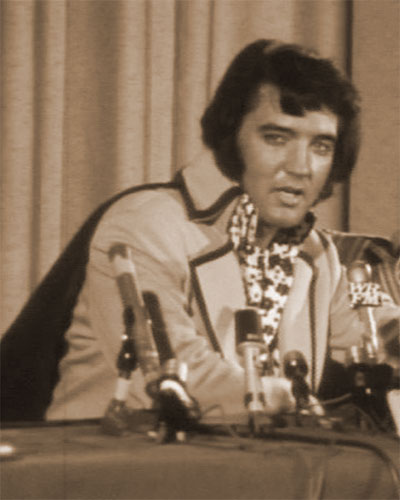
Elvis Presley's 1972 New York press conference

Elvis at his June 9, 1972, press conference

Elvis As Recorded At Madison Square Garden: Legacy Edition is a 2-CD set. CD 1 is a vintage 1972 mix of Elvis’ June 10 evening show at the Garden, mastered by Anesini in 2007. This represents the 1972 album Elvis As Recorded At Madison Square Garden, which hit store shelves only a week after the actual show. Due to Anesini’s mastering, which was first released on 2009’s Elvis: The Complete Masters Collection and 2010’s The Complete Elvis Presley Masters, the sound quality is improved over the 1992 CD release. CD 2 is a vintage 1997 mix of Elvis’ June 10 afternoon show at the Garden, mastered by Anesini for this 2012 edition. This represents the 1997 album An Afternoon In The Garden.

Sony has also released a new vinyl version of Elvis As Recorded At Madison Square Garden. This 2-LP release of the June 10 evening show is a newly mastered version of the vintage 1972 mix. Despite the fact that it is now two records, this does not contain the afternoon show. The original 1972 vinyl issue of this album was only one record, but the two record format is for better sound quality.

As you can see, fans of Elvis in 1972 have a nice selection from which to choose. As for me, I went with the deluxe Prince From Another Planet set because I wanted to hear the 2012 mixes. The Legacy Edition was not appealing to me because I already have the vintage As Recorded At Madison Square Garden mix as mastered by Anesini on The Complete Masters Collection, and I was not interested in a new mastering of the 1997 mix of An Afternoon In The Garden. I may eventually pick up the vinyl, though I tend to gravitate more towards records produced while Elvis was alive.

Prince From Another Planet (2012)

I’m not going to do a formal review, but I can’t close out without saying that Prince From Another Planet is incredible. Brauer has done a fantastic job mixing these shows. Crank up your sound system and maybe, just maybe, you can be transported back to June 10, 1972, and experience Elvis at the Garden.

As you might expect, the difference is most striking on the evening show. To say that the 1972 mix was rushed would be an understatement. This new 2012 mix finally illuminates this show in the fashion it deserves.

The Like A Prince From Another Planet documentary is worthwhile. I would like to see more documentaries of this nature, highlighting specific points in Elvis’ career. It does “spoil” a lot of the fan-shot footage, though, so you may want to watch that first.

The amateur video of the June 10 afternoon show looks about as good as 8 millimeter footage can possibly appear. Do not go in expecting professional Elvis On Tour or Aloha From Hawaii quality, though. This understandably looks grainy on large television sets. Though the original footage was silent, Sony has meticulously synched the 2012 mix of the show’s audio with the footage. To put it mildly, the footage is stunning and makes for a terrific experience . . . almost.

Elvis on stage at the Garden

Elvis on stage at the Garden

Only about twenty minutes of footage from this sixty minute show actually exists. During parts of the show for which there is no footage, the screen goes black while the audio continues. There are several long stretches of songs with no footage at all. To be honest, I cannot imagine a member of the “general public” (i.e., someone who is not an obsessed Elvis fan) sitting through this. Even I became restless at times, afraid to take my eyes off the big blank screen for fear I would miss the video. Sony should have provided an option to “View All Footage” and skip over the blank portions. This is but a minor quibble, though. Keep in mind while watching this that Warner Home Video is sitting on hours of professionally-filmed 1972 tour footage of Elvis. Unfortunately, Sony has no control of that footage, so kudos to them for at least bringing us this grainy alternative.

My larger complaint with the set has to do with the packaging. It is beautiful, but fails miserably at its primary job – protecting the CDs and DVD. Good luck getting them out without scratching the discs and/or creasing the packaging. As it is, my DVD has a fault during the press conference, and I have no doubt that the packaging and my admittedly anxious hands are to blame.

Elvis and the music more than make up for these shortcomings, though. If you are a fan of Elvis in 1972, Prince From Another Planet is a must-have. If you are not a fan of Elvis in 1972, I do not think this release will change your opinion. That’s okay, though. Everyone is entitled to be wrong!

* * *

Coming so soon on the heels of the recent storm, this New York themed release also reminded me to think of those in New York and neighboring areas that are affected. I think it would be a great gesture, and certainly within the spirit of Elvis’ generosity, if Sony were to release a single from this set with proceeds to benefit disaster relief efforts. In any event, we fans can also help on our own by donating funds to the American Red Cross.

Hey Sony, isn’t it about time for an Elvis On Tour boxed set?

I started to do this in reply to Mike Hermenet’s comment on my Trilogy post, but decided to make a new post about it instead.

Though the 40th anniversary of That’s The Way It Is in 2010 essentially went unobserved by both the main Sony label and its Follow That Dream collectors label, I’m with Mike in hoping that the 40th anniversary of 1972’s Elvis On Tour will capture Sony’s imagination in 2012.

Elvis On Tour deserves a 3-CD treatment on the main label:

Disc 1: April 9, 1972, Evening Show, Hampton Roads, VA
Disc 2: April 10, 1972, Richmond, VA
Disc 3: April 16, 1972, Greensboro, NC

And then, to complement the above, there should be an Elvis On Tour: The Rehearsals – Volume II CD on the FTD label.

Or perhaps swap out one of the concerts from the set and release it on FTD, and put the disc of newly released rehearsals on the main label boxed set instead – since some may find three concerts from the same week to be too repetitive for a mainstream release (who are these imbeciles?).

After last year’s poorly handled Blu-ray release of the film, I’m not holding my breath for Warner Brothers to release anything new as far as Elvis On Tour video footage next year. I hope I’m wrong on that account, though.

There is, at least, some hope for additional audio releases to go with those from the past.

Thanks for commenting, Mike, and for the quick post idea.