With FTD Elvis Collector Releases, Do You Get What You Pay For?

A comment from Ray on my previous post inspired today’s entry, making me ask, “Are CDs in the Follow That Dream Records collector series worth the price for Elvis fans?”

I’m going to discuss this issue in terms of American dollars and prices because that is the information to which I have easiest access. However, I’m sure that the underlying concepts of what I’m talking about will be applicable in whichever currency you choose to deal in. You’ll just have to do the conversion for yourself, because I’m too lazy to do that.

The cost of your average FTD collector release CD is about $29.98 US. At least here, these releases are not available in stores, so you’re also likely going to be paying for shipping. Standard shipping is going to run you about $6.85. If you buy more than one at a time, which I tend to do, you can often save on overall shipping.

However, to keep our example simple, I’ll include shipping in the price of the CD and assume we’re talking about buying just one release at a time. That brings our grand total to $36.83. For convenience, we’ll even round that up to $37.

At first glance, that seems like a hefty price for a CD release. However, whether it is worth it depends on which FTD you are buying. The recent Good Times release contained 47 tracks spread over two CDs. That works out to about $0.79 a track.

The average price for downloading a music track on iTunes or Amazon is $0.99. You’ve saved $0.20 a track, plus received the full-fledged CD versions in perfect sound and a booklet packaged in a nice case about the length and width of an old 45 RPM record sleeve. In addition, many of these tracks are not even available on iTunes or Amazon (they should be, but that’s an editorial for another day).

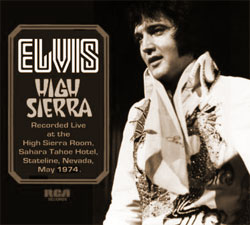
The single disc releases, of course, give you less overall value per track. The High Sierra concert release I was talking about in my last post is one CD at 28 tracks. That works out to about $1.32 a track. If it turns out to be a great concert, that is probably worth it. If it’s a dud, then you’re probably better off saving your money for a different release. We won’t know for sure until it’s released and the online reviews start rolling in.

Most of the single disc releases come in a smaller case and do not include a booklet. Coming in at 21 tracks, last year’s single disc The Wonder of You works out to $1.76 a track.

That’s a steal, worth every single penny. This August 13, 1970, performance is one of the best FTD releases thus far. I would have been willing to pay double the price or more.

I don’t buy every FTD release, though. Far from it. At around 12 releases a year, the $37 price tag prevents me from doing that. This is probably a good thing, because it makes me be selective rather than blindly buying every release simply because it has the name “Elvis” on it.

I have found that the best Elvis purchases are CDs and DVDs, so if you’re debating between an FTD CD and an Elvis “collectible” rubber ducky, PEZ dispenser, bobble head, or what have you, do yourself a favor and spend the money on the CD. At least you’re getting something that Elvis had some hand in creating. Who cares about a bobble head?

When you’re buying FTDs, especially those that have already been out for awhile, it’s always a good idea to check online for reviews. Find a reviewer out there that you trust. For me, I go with the opinions of Thomas over at Elvis Today. We tend to agree on most things Elvis – so if he likes a release, I’ll probably like it, too. (By the way, if you haven’t already, be sure to check out his great FTD-related post this week.)

With over 80 FTDs to choose from so far, you’ll find that some are well worth the price and others may spend more time on your shelf than in your CD player.

Finally, we have to remember that this is a collectors label with a very limited distribution. We pay a premium at times, but it sure beats only being able to buy mainstream releases like Elvis 75: Good Rockin’ Tonight or 30 #1 Hits. Or, worse, Elvis bobble heads.

* * *

Thanks, Ray, for inspiring today’s post!

Experience Elvis in Lake Tahoe with High Sierra

High Sierra cover (concept art)

High Sierra cover (concept art)

In May, Follow That Dream (FTD) Records is releasing High Sierra, a new CD containing Elvis’ May 21, 1974, show at the Sahara Tahoe Hotel (now the Horizon Casino Resort). Rounding out the set are six bonus songs from the same engagement, as well as an 8-page booklet. The track listing certainly has my attention:

01 See See Rider
02 I Got A Woman/Amen
03 Love Me
04 Trying To Get To You
05 All Shook Up
06 Love Me Tender
07 You Don’t Have To Say You Love Me
08 Hound Dog
09 Fever
10 Polk Salad Annie
11 Why Me Lord
12 Suspicious Minds
13 Introductions
14 I Can’t Stop Loving You
15 Help Me
16 Bridge Over Troubled Water
17 Let Me Be There
18 The First Time Ever I Saw Your Face
19 Big Boss Man
20 Can’t Help Falling In Love
21 Closing Vamp
Bonus Tracks
22 Johnny B. Goode
23 Steamroller Blues
24 Spanish Eyes
25 How Great Thou Art
26 It’s Now Or Never
27 I’m Leavin’
28 Introducing Billy Eckstine

What a great and varied collection of songs! I don’t collect every FTD CD, but this one looks like a potential must-have to me. I’m especially looking forward to hearing “I’m Leavin’,” “The First Time Ever I Saw Your Face,” “It’s Now Or Never,” “Spanish Eyes,” “Bridge Over Troubled Water,” and “You Don’t Have To Say You Love Me.”

FTD is Sony’s Elvis collectors label, aimed directly at fans rather than the general public. FTD releases are like official versions of bootlegs. The Elvis bootleg industry is huge, but FTD provides a legal alternative with releases focusing on alternate takes and live performances. While the mainstream is listening to yet another greatest hits compilation, the hardcore fans are listening to FTD releases. The FTD releases are available from ShopElvis.com and other online Elvis retailers.

Also coming in May is Showtime! Birmingham/Dallas ’76, a two CD set containing Elvis’ December 28 (Dallas) and December 29 (Birmingham), 1976, concerts.

For those of us in the United States, FTD releases (which are imports) are normally about one month behind. So, we can expect to see these two titles in June.

REVIEW: Good Times CD Set (2009 FTD Edition)

Good Times CD set (Follow That Dream Records, 2009)

A perfect presentation for an imperfect album

Good Times marked the second album released from Elvis’ 1973 sessions at Stax studio in Memphis. This version from the Follow That Dream collectors label includes all ten tracks from the original album and thirty-seven additional tracks of alternate takes and undubbed masters. FTD’s Classic Album series serves as the best possible format for this album, with sound quality in most cases as good or better than previous releases.

Take Good Care Of Her

  • Disc 1, Track 01, Master—Take 6: You have to give Elvis credit. Musically, he openly dealt with his relationship issues from just about every angle imaginable. In “Always On My Mind,” the singer begged forgiveness and asked for another chance from his wife. In “Separate Ways,” he accepted the split as inevitable. In “Take Good Care Of Her,” Elvis even directed a surprisingly benign message at his soon-to-be ex-wife’s new love interest. Whether his real-life actions measured up to his song choices is a debate for another time, but certainly, Elvis found creative sparks in his relationship problems that fueled many of his later recordings. Though many could be labeled as “dark” or “depressing,” these deeply personal recordings also may be the best insight into how Elvis was feeling during the last few years of his life. Though “Take Good Care Of Her” is not a great song by itself, it is Elvis’ personal conviction and passion that somehow make it more than it really should be.
  • Disc 1, Track 11, Rehearsal & Take 1: Here, we get a short rehearsal segment, followed by Elvis’ first attempt to record the song. Elvis almost sings to himself during the rehearsal, an interesting listen just for the “fly on the wall” aspect. Absent from the master take, you can hear a hint of bitterness in Elvis’ voice as he goes through Take 1. “Just to be around her was my greatest pleasure, she was everything my future held in store,” he sings sadly.
  • Disc 2, Track 06, Takes 2, 3: Take 2 falls apart just seconds into the song. Take 3 is complete, but unremarkable.
  • Disc 1, Track 23, Take 4: Nothing special here, either, though you can still hear more bitterness than on the master.
  • Disc 2, Track 17, Take 5: Producer Felton Jarvis apparently brings this take to an early close, causing Elvis to curse and comment, “Now I know how Jesus felt with that thorn in his side.”
  • Disc 2, Track 18, Take 6 (Undubbed Master): One of the best services that FTD provides us Elvis fanatics is supplying the undubbed versions of many of his master recordings. These stripped-down versions are often revelations, sometimes sounding better than the released recordings. For this song, though, I actually slightly prefer it with the overdubs. It is nice to have both options for this and the other songs on this album, though – a real selling point for this release and many others in the Classic Album series.

Loving Arms

  • Disc 1, Track 02, Master—Take 3: “Loving Arms” is one of Elvis’ best country songs – ranking right up there with just about anything on Elvis Country. This is a superb performance, one of the highlights of Good Times. This FTD release is the best this song has ever sounded, as if you are standing in the studio with Elvis as he pleads, “If you could only hear me now. . . .”
  • Disc 1, Track 12, Take 1 & Rehearsal: Elvis plays around with the tempo of “Loving Arms” during Take 1, obviously trying to find the “sweet spot.” By the end, you can hear the confidence in his voice as he begins to get it just right. After the take, Elvis and the other musicians work out a new ending for the song.
  • Disc 2, Track 02, Take 2: This is another faster take on the song. It’s probably too fast, but the power of his voice still makes it a worthwhile listen.
  • Disc 2, Track 12, Take 3 (Undubbed Master): I must note again that sound quality here is simply amazing, especially considering these recordings are over 35 years old. I prefer the dubbed version, mostly because the ending of the song is improved by removing the obnoxiously loud chorus on the last note.

I Got A Feelin’ In My Body

  • Disc 1, Track 03, Master—Take 3: There are three songs that drag Good Times down from being a real contender for one of the top albums of his career. Unfortunately, they all come right in a row. First up among the losers is “I Got A Feelin’ In My Body,” a fast-paced gospel number on which Elvis sounds like he is trying too hard. The song is not very good, and Elvis is unable to save it this time.
  • Disc 1, Track 13, Take 1: By the end of Take 1, Elvis begins playing around with the words, yet keeps the song from completely falling apart.
  • Disc 2, Track 03, Take 2: This sounds more like a rehearsal than an actual attempt, particularly at the beginning. Elvis obviously knows it’s not quite there yet as well, for he laughs near the end.
  • Disc 2, Track 13, Rehearsal & Take 3 (Undubbed Master): Even this master take does not sound like they have quite worked the song out, probably the source of some my issues with this recording. This is marginally better than the dubbed version, though. Outside of the context of playing this album in its entirety, I would still rarely, if ever, play this song.
  • Disc 1, Track 21, Take 4: A take beyond the master, which is actually somewhat rare at an Elvis session. Perhaps evidence that they were not completely satisfied with Take 3, either. Still not something I would choose to hear often, but I do like it better than Take 3. Elvis sounds more comfortable with the song than on previous takes.
  • Disc 2, Track 19, Take 7: Elvis sounds tired on Take 7. The pace is a little slower, but not a real improvement. By the end, I was hoping they would speed up to just get the thing over.

If That Isn’t Love

  • Disc 1, Track 04, Master—Take 4: It is evident on Disc 4 of the Live In Las Vegas boxed set when Elvis introduces Dottie Rambo, writer of “If That Isn’t Love,” that he thinks a lot of her. That is why it pains me to criticize this song. Elvis recorded many great gospel numbers in his career, but unfortunately, this is not one of them. As is often the case, Elvis puts a lot of effort into the song, but it is just sub-par material.
  • Disc 1, Track 14, Take 1: This take was a surprise for me. I actually liked it, certainly better than the master. It turns out this was first released on Rhythm & Country, but it did not stand out to me back then.
  • Disc 2, Track 07, Take 4 (Undubbed Master): This undubbed take is better than the released master, but not as good as Take 1.
  • Disc 1, Track 24, Splice of Takes 5 (LFS) & 7: Referring to Take 4, Elvis tells Jarvis to “save that last one” before beginning Take 5. This splice of Take 5 (a long false start) and the end of Take 7 is also better than the master Take 4. The song is still lacking, but at least is more listenable.
  • Disc 2, Track 14, Takes 6, 7: A mistake on piano ends Take 6 just seconds in. Next, is Take 7, complete but forgettable.

She Wears My Ring

  • Disc 1, Track 05, Master—Take 10: “She Wears My Ring” is the worst song on Good Times, and one of the worst from Elvis’ mostly stellar 1970s studio work.
  • Disc 2, Track 09, Takes 1-7: Elvis and the band get a case of the laughs in these early takes, which go by rather quickly. Much like some of the 1960s movie tunes, studio chatter and laughter is far more interesting than the actual song in question.
  • Disc 1, Track 15, Take 8: Elvis and company manage to cool the laughter and make a decent take, better than the master.
  • Disc 2, Track 15, Take 10 (Undubbed Master): Elvis sounds bored to me but Jarvis declares, “That’s a gas!” at the end.

I’ve Got A Thing About You Baby

  • Disc 1, Track 06, Master—Take 15: The payoff for making it through the last three songs begins with “I’ve Got A Thing About You, Baby.” This one is from Tony Joe White, familiar to Elvis fans as the writer and original performer of “Polk Salad Annie.” While Elvis’ early versions of “Polk Salad” more or less followed White’s original, Elvis’ take on “I’ve Got a Thing About You, Baby” is faster and funkier than White’s. This mostly positive, upbeat song is exactly what this album needs. Elvis only briefly falls into more jaded territory with the “Ain’t it just like a woman” verse. This one deserved to be a big hit.
  • Disc 1, Track 16, Take 1: Fourteen takes would separate this take from the master, and it shows. Elvis sings it slightly differently, and stumbles over a few of the words in this fast-paced version.
  • Disc 2, Track 8, Take 5: This is a fun song, so listening to take after take is no problem. Enjoyable but unremarkable take.
  • Disc 2, Track 16, Takes 6, 8, 10, 11: Multiple takes on a single FTD track can mean only one thing: lots of false starts. These takes are slower than 1 and 5, about the speed of the released version. Elvis flubs the lyrics on the otherwise promising 6 and 8, then calls for a “big, huge idiot board” to show the words. He flubs Take 10 as well. “I’m too crazy to be serious,” Elvis notes and then pulls off a longer Take 11, flubbing some of the lines near the close and finally ending the song slightly early.
  • Disc 1, Track 22, Take 14: Elvis makes it all the way through this spirited take of the song. With the overly complicated lyrics, it’s no wonder this song did not become a mainstay of his concert repertoire.
  • Disc 2, Track 1, Takes 15 (Rough Mix of Master): This rough mix is pretty close to the released version.

My Boy

  • Disc 1, Track 07, Master—Take 3: On “My Boy,” Elvis worries about the effects of a potential breakup on a child. My impression is that Elvis fans either love or hate this song. I’ll take this soul-searching performance over “Hound Dog” or “Teddy Bear” any day.
  • Disc 1, Track 17, Take 1: Elvis approaches “My Boy” seriously from the start, making it obvious that the song is important to him. I love this take, which is a little slower and has a simpler sound than the released version. Though Elvis misses a note near the end, this one is nevertheless as great as the master.
  • Disc 2, Track 5, Take 2: Another serious attempt. Elvis stutters a bit about halfway through, but marches on through the song anyway. An okay take, but the lesser of the three. “I can’t sing it no more,” Elvis jokes when Jarvis calls for another take.
  • Disc 2, Track 20, Take 3 (Undubbed Master): Despite his joke, Elvis delivers on Take 3. An interesting listen here without the overdubs.

Spanish Eyes

  • Disc 1, Track 08, Master—Take 4: “Spanish Eyes” is a good example of “standard fare” for Elvis’ studio work in the 1970s – not his best, and not his worst. According to the liner notes, he recorded this one at the request of girlfriend Linda Thompson. Enjoyable as much for the acoustic guitar work as Elvis’ vocals. Sound quality is a huge improvement over the prior CD release of this album.
  • Disc 1, Track 18, Takes 1, 2: Elvis flubs Take 1 early, and then delivers a decent second take. Again, be sure to listen out for the beautiful acoustic guitar on this one.
  • Disc 2, Track 21, Take 3: Pianist David Briggs hits a sour note, so Elvis’ portion of this short take consists only of him singing the first word, “Blue.” Some fun studio chatter starts this track out, though. Briggs also spoils a first attempt at Take 4. “He’s gettin’ crazy!” Elvis says. With no new take called, the track ends just in time for the official Take 4 on the next track.
  • Disc 2, Track 22, Take 4 (Undubbed Master): Nice to have, but I prefer the dubbed version.

Talk About The Good Times

  • Disc 1, Track 09, Master—Take 4: Elvis’ version of “Talk About the Good Times” just doesn’t work as well as two of his other Jerry Reed covers, “Guitar Man” and “US Male.” Perhaps it’s because Reed is not present in the studio to provide guitar accompaniment this time. The underlying song and its associated message are strong. Lyrics like “Most folks couldn’t tell you who their neighbors are. All the guns are loaded, front doors are bolted,” are even more relevant now than in the 1970s. However, Elvis could have done so much better than just the okay version he delivered of this song. Instead, the finished product just sounds like a frantic rush job.
  • Disc 2, Track 10, Takes 1, 2: Take 1 starts out promisingly enough, guitar driven in the vein of “Promised Land” with less of the often annoying piano of the released version. Elvis stumbles over the lyrics, though, and curses the take to an early close. Take 2 is even shorter. Elvis looks away from the lyrics and misses them again. He then recites part of the Lord’s Prayer in a mock serious tone. Odd stuff.
  • Disc 1, Track 19, Take 3: Other than the master, this is apparently the only other complete take Elvis did of this song. Piano is unfortunately more prominent than on the first take. By the next take, it really takes over.
  • Disc 2, Track 11, Take 4 (Undubbed Master): They obviously took a “good enough” approach on this song. A real missed opportunity.

Good Time Charlie’s Got The Blues

  • Disc 1, Track 10, Master—Take 9: The album’s best song is saved for last. Like “Loving Arms,” “Good Time Charlie’s Got The Blues,” is one of Elvis’ greatest country performances – as good or better than anything on Elvis Country. Sound quality is the best it has ever been. You are there.
  • Disc 2, Track 4, Takes 1, 4, 6: “Just keep it down to Earth,” Elvis reminds the band as they start Take 1 of “Good Time Charlie’s Got The Blues.” Elvis starts cursing about his cord before he can even sing, though. On Take 4, Elvis makes it through about the first third of the song before he gets distracted and thinks they’re at the end of the song. He jokingly blames it on his pal Charlie Hodge. Take 6 is complete, but Elvis still sounds distracted. The song is not quite together yet.
  • Disc 1, Track 20, Takes 7, 8: Elvis flubs the lyrics in the first verse, and then does an impromptu parody of the song as only Elvis can. A must-listen. When Jarvis notes that this is now Take 8, Elvis is surprised. “It is? Damn, these takes are going by fast.” “Some of them have been very short,” Jarvis points out, getting a chuckle out of Elvis. Take 8 is just about as good as the released version.
  • Disc 2, Track 23, Take 9 (Unedited, Undubbed Master): The expanded FTD version of Good Times closes out with a surprise, an unedited, undubbed version of the “Good Time Charlie’s Got The Blues” master that is even better than the released version. This track alone makes the FTD Good Times an essential release.

* * *

FTD does a fine job on the accompanying booklet this time out. One of the things that has always bothered me about Good Times is that Elvis doesn’t look quite right on the cover, particularly his lips. I won’t give it away here, but the booklet finally reveals why this is so.

FTD’s version of Good Times turns out to be a fine upgrade of the original album, truly capturing the spirit of a collectors label by bringing the original cuts together in pristine sound quality along with tons of additional takes. Ten years in, FTD seems to have hit its stride, and its Classic Album series has become essential.

Songs: 6 (out of 10)

Audio Quality: 10

Liner Notes/Booklet: 7

Original Album Cover Art: 6

Overall Experience: 9


Some final thoughts on an Elvis weekend [The Film Frontier blog]

Yesterday marked the 32nd anniversary of Elvis passing away. I was out most of the day, but I did make a point of observing it by listening to FTD’s All Shook Up (August 26, 1969, Midnight Show, Las Vegas) and watching Sit-down Show #2 (June 27, 1968, 8 PM, Burbank) from ELVIS: ’68 Comeback Special-Deluxe Edition DVD.

One of my favorite little segments from that sit-down show gave me an idea for a future post. After the first couple songs of the show, Elvis mentions on a whim that they should have had audience members fill out cards to ask him questions.

Though I can only imagine what some of those questions would have been (“Elvis, will you kiss me?” “Elvis, will you please buy me a Lincoln?” “Elvis, what’s your secret with women?”), I think this would have been a great concept.

Elvis’ buddy, Charlie Hodge, unfortunately dismisses it. He quickly moves Elvis on by saying, “I’ve got a question . . . what’re you going to sing next?” and then prods him into starting “That’s All Right.”

To my knowledge, Elvis never executed his answering fan questions concept during his shows over the next nine years. I have heard of shows with a “request box” where people could ask that he perform certain songs, but that’s not quite the same thing. I wish he had tried this a couple of times (and maybe he did, who knows, there were well over a thousand shows).

So, if you could ask Elvis one question, what would it be? I’ll have to think about that one for awhile. So, for now, I’ll just say, “To Be Continued. . . .”


Read some great news over on Elvis Today that the Elvis Collectors label, Follow That Dream Records, is not dead! With no new releases announced lately, I was beginning to share Thomas’ concern that the end was near for FTD after ten years.

Turns out that there are three more albums in the Classic Albums series currently in the works. Meanwhile, the next release will contain rehearsals from August 1974. As someone who does not buy bootleg material, I’m glad FTD is getting around to releasing official versions of material like this. I’m also glad that I won’t have to wait until the Twelfth of Never to buy more FTD releases.

REVIEW: The Wonder of You CD (FTD)

The Wonder of You CD (Follow That Dream Records, 2009)

Strangers No More

When MGM filmed the first few days of Elvis’ August 1970 engagement at the International Hotel in Las Vegas, his third such series of appearances in a year, RCA tagged along and recorded six of the same concerts. RCA released just a few songs from these shows during Elvis’ lifetime, as part of the That’s The Way It Is album. In fact, it wasn’t until 2000’s That’s The Way It Is: Special Edition CD set that a nearly complete show became available.

The Wonder of You marks the fourth almost complete concert officially released from the August 1970 engagement. It contains several songs not featured in the other That’s The Way It Is concerts. Sit back and enjoy Elvis’ August 13 Dinner Show, the sixth and final show that RCA recorded for That’s The Way It Is.

Overview

This is a terrific concert, probably the second best of the That’s The Way It Is shows, behind only the August 12 Midnight Show. Highlights include “Don’t Cry Daddy”/”In the Ghetto,” “The Wonder of You,” “Stranger in the Crowd,” and “Bridge Over Troubled Water.” The sound is about as pristine as can be for a nearly forty-year-old recording.

About half of these performances have been previously released on other official albums. I’ll mention which mixes I think are better in my song-by-song analysis below. I have fun doing these kinds of comparisons, but I would like to point out that, when taken as a whole, this concert sounds great! Don’t read too much into my nitpicks. I’m also aware of the recent bootleg releases of this show, but I’m not going to get into comparing professionally-mixed, official releases to bootlegs.

* * *

“That’s All Right” (previously unreleased)

  • You can feel the excitement build as things kick off with a jungle-like rhythm. Soon, Elvis takes the stage and delivers a solid version of his first record, “That’s All Right.” The horns are mixed a little loud in the left channel at times, but not enough to detract from this classic. “That’s All Right” was the best opening song for Elvis. It worked much better than “Blue Suede Shoes,” “All Shook Up,” “See See Rider,” or various others.

“I Got A Woman” (previously released on That’s The Way It Is: Special Edition CD)

  • Elvis quickly slides into Ray Charles’ “I Got A Woman.” Elvis’ 1969 and 1970 versions of this song are usually fantastic, and this one is no exception. I prefer the mix on That’s The Way It Is: Special Edition, however, where the horns are less pronounced and are in both channels, rather than overpowering the left channel as they continue to do here.

“Hound Dog” (previously unreleased)

  • Elvis references the red snakeskin highlights of his jumpsuit prior to this song, leading to a brief ad-lib in a typical for this season break-neck-pace version of “Hound Dog.” After the song, Elvis goes into his Gatorade routine, and then jokes that he owns part of that company. A star these days would probably work some kind of endorsement deal to mention a product as much as Elvis did Gatorade.

“Love Me Tender” (previously unreleased)

  • Have you ever wondered how Elvis usually got away with kissing so many women in the audience without angering their husbands and boyfriends? “Only if the guy smiles, man, do I kiss her,” explains Elvis as he takes time out from kissing to occasionally sing “Love Me Tender.” The band sounds great and carries along quite well during the kissing interludes. Finally having this concert in a relatively complete form means that we can place his “That’s the most fun part of the whole show” line in context. First heard on the live compilation disc of That’s The Way It Is: Special Edition after “Make The World Go Away,” the comment actually follows the “Love Me Tender” kissing session here.

“Don’t Cry Daddy”/”In the Ghetto” (previously released on That’s The Way It Is: Special Edition CD)

  • I remember this medley blowing me away on the Elvis: The Lost Performances video back in 1992. To see Elvis singing two of my favorite songs for the first time, and together no less. For whatever reason, this CD splits the medley into two tracks, but it is actually a continuous performance. Mac Davis wrote both songs, and Elvis recorded them in his legendary 1969 American Sound Studio sessions in Memphis. Incidentally, these are complete versions, with only minimal fooling around by Elvis. This new mix is better than the previously released version. You can even hear Elvis yell, “Sing it, Charlie!” to Charlie Hodge early on in “Don’t Cry Daddy.”

“I Just Can’t Help Believing” (previously released on Writing For The King)

  • I have to be in the right mood to enjoy this sleepy song, but this is a fine performance. Elvis misses a word or two about halfway through and starts laughing a bit. I love that kind of stuff. If you are one of those people who insist on hearing the correct lyrics to every single song when listening to a live concert, then this isn’t the disc for you. Actually, I would say Elvis isn’t the artist for you, either. He played with or forgot lyrics all the time. Yet, somehow still made the songs sound so good. He really knew how to sell a performance. This mix feels very thin compared to the superior one on Writing For The King. I was hoping this whole disc would sound like this song did on Writing For The King.

“Stranger in the Crowd” (previously released on That’s The Way It Is: Special Edition CD)

  • Elvis jokes that this song, which he had recorded just two months earlier, wouldn’t be released until 1982. Every time I hear that line, it makes me a little sad, though, since Elvis would be gone five years by then. This is a great live rendition of “Stranger in the Crowd,” powered by Ronnie Tutt on drums. The studio version was one of the best numbers on the original That’s The Way It Is album, and it most certainly should have been a single. With a little more work on the arrangement (starting with getting rid of the Imperials’ “la la la la la la la” background vocals near the end), this live version also would have made a nice mainstay to his concert repertoire. Too bad it seems to have been abandoned after this. The mix of this same live version on That’s The Way It Is: Special Edition has a fuller sound, packing more punch than the one here.

“Make The World Go Away” (previously released on That’s The Way It Is: Special Edition CD)

  • Elvis jokes that this song was “written before Roy Acuff was born, which is about 1800.” Just for fun, I decided to fact-check Elvis. Country music legend Acuff was born in 1903. Hank Cochran wrote “Make The World Go Away” in 1963, just seven years before this live recording. Sorry, E. This is a beautiful live rendition that I prefer to the studio cut recorded that June for Elvis Country. This also made its debut on the Elvis: The Lost Performances video, leading me back then to truly appreciate this song for the first time. If for nothing else than the toning down of a buzzing sound present through much of the song, the audio and mix quality here beats the previously released one.

“Sweet Caroline” (previously unreleased)

  • Elvis cuts this Neil Diamond tune off nearly thirty seconds in when he forgets the words. He starts the song over and gets it right this time in a lively version. Every time I hear this song, I have to fight the urge to throw my arm back and forth like Elvis does when the horns go “dah-dah-daah.” I don’t always win that fight. Come on, you know you do it, too.

“You’ve Lost That Loving Feeling” (previously unreleased)

  • Elvis sounds distracted in this disappointing version of “You’ve Lost That Loving Feeling.” His extended performance of this same song from the night before (captured on Disc 2 of That’s The Way It Is: Special Edition) is the best rendition ever (yes, even topping the Righteous Brothers).

“Polk Salad Annie” (previously released on Elvis Aron Presley)

  • Elvis delivers a great version of Tony Joe White’s “Polk Salad Annie.” Who else but Elvis could pull off going from country to pop to soul to swamp rock in a matter of minutes? This performance was first released on the 1980 boxed set Elvis Aron Presley, the first release of any song from this show. Who would have thought it would take another 29 years before we were treated to the entire concert? Audio quality and mixing on this new release is much improved over the 1980 version.

Introductions (previously unreleased)

  • In a fun moment, Elvis first introduces guitarist James Burton as “Chuck Berry.” After introducing (most of) the rest of his crew, Elvis introduces television legend and audience member Art Carney (best known as Ed Norton on Jackie Gleason’s The Honeymooners). Carney gets a huge hand, probably the biggest reaction to a celebrity introduction I’ve ever heard at an Elvis show. Elvis goes on to talk briefly about his own appearances on Jackie Gleason’s Stage Show, and mentions his later appearances on the Milton Berle Show and the Ed Sullivan Show. Someone then reminds Elvis that he forgot to introduce background vocalist Millie Kirkham, and he apologetically does so.

“The Wonder of You” (previously released on The Way It Was)

  • One of the many highlights of the Elvis: The Lost Performances video was this performance of “The Wonder of You.” This version is almost as good as the single version recorded earlier the same year. The mix on this new FTD release of the song is an improvement over the previous release. I had to play them both a few times to come to that conclusion, though. While somewhat softer, the sound has better separation here, so it is easier to pick out distinctive instruments.

“Heartbreak Hotel” (previously unreleased)

  • After the big ending on the previous song, Elvis starts this one off sounding a little weak. This is a typical 1970 version of “Heartbreak Hotel.”

“Blue Suede Shoes” (previously unreleased)

  • A quick version, likely only done to please the crowd, lacking the power of his 1969 versions.

“One Night” (previously released on The Way It Was)

  • Elvis still sounds weak, or is it the mix playing tricks on us? Play the same song on The Way It Was and it sounds much better.

“All Shook Up” (previously released on The Way It Was)

  • “All Shook Up” had not yet become a complete throwaway in 1970, and this is a decent version. Which mix is better this time? Too close to call. This isn’t one I can play a dozen times in a row to figure out.

“Bridge Over Troubled Water” (previously unreleased)

  • A beautiful performance, possibly his best live version of “Bridge Over Troubled Water,” though due more to the orchestra this time around than Elvis. Considering that they blow it on some other songs during the That’s The Way It Is concerts, I have to give the horns some credit on this performance. They really carry this one and help to make it so powerful. This track was a nice surprise.

“Suspicious Minds” (previously unreleased)

  • I always look forward to hearing new live versions of “Suspicious Minds.” This is a decent version, but not particularly memorable. As with the other That’s The Way It Is concert versions of this song, the trumpets sound awful at times, blowing out on many of the high notes. After hearing their superb work on “Bridge Over Troubled Water,” though, I guess I can forgive them. Tutt gives the drums a real workout at the end.

“Can’t Help Falling In Love” (previously unreleased)

  • Elvis sounds tired again after “Suspicious Minds,” but puts some effort into his “Can’t Help Falling In Love” closer. A fantastic show comes to an end.

* * *

I’m not going to say much about the cover and other album artwork, except to point out that cover art has never been FTD’s selling point. They can get away with it because the Elvis content within their releases pretty much sells itself. I’m also not going to bother complaining about the lack of a booklet or liner notes. I’m just glad to finally have this concert.

The Final Verdict

I was only two when Elvis passed away, so I never had the chance to see him live in concert. Experiencing relatively complete shows like this one, when Elvis was in top form, means a lot to me. This is FTD’s best concert release to date, and I’ll be enjoying this show for years to come.

Songs: 10 (out of 10)

Audio & Mix Quality: 9

Liner Notes: N/A

Cover Art: 5

Packaging: 5

Overall Experience: 10

Elvis on FTD helps cure the “No More Boxed Sets Blues” [The Film Frontier blog]

For the last couple of years, around this time, ShopElvis.com has been kind enough to send me a 20% off coupon for use on CDs from Follow That Dream Records. FTD is Sony’s Elvis collectors label, aimed mostly at fanatics like me.

FTD releases are essentially official bootlegs. The Elvis bootleg industry is huge, but FTD provides a legal alternative with releases focusing on alternate takes and live performances. While the mainstream listens to yet another greatest hits compilation, the hardcore Elvis fans listen to FTD releases. Yes, there is still “new” Elvis material released all the time. Though the pace seems to have slowed in the last few months, at one time FTD was averaging about twelve releases a year.

I cannot afford to buy every FTD CD that comes along, so the 20% off allows me to splurge every now and then. Last night, I ordered three two-CD sets: Elvis Is Back!, Elvis Country, and New Year’s Eve.

Elvis Is Back! and Elvis Country are expanded editions of two of the best albums released in his lifetime. In addition to the original songs, multiple alternate takes and bonus songs from the same sessions are included.

Elvis recorded the Elvis Is Back! album in 1960, soon after returning from his two years of service in the US Army. It features a supreme mix of rock ‘n’ roll and blues. The highlight for me is “Reconsider, Baby” – a Lowell Fulson blues number with not only a fantastic performance from Elvis, but also one by Boots Randolph on sax.

During the same 1970 session that produced his masterpiece That’s The Way It Is album, Elvis also recorded the bulk of the songs on Elvis Country. Among the many highlights are “Tomorrow Never Comes” and “I Really Don’t Want To Know.”

New Year’s Eve captures Elvis’ December 31, 1976, concert in Pittsburgh. It was one of the longest concerts he ever gave, requiring two CDs. Unfortunately, the only available source is an audience recording. Since so many high quality concert recordings are out there, I have been wary of trying this one. Mostly positive reviews I have read over the years, not to mention 20% off, finally helped me take the leap, though. I am looking forward to finally hearing this show. Sadly, it was to be Elvis’ last New Year’s Eve.

That is a total of six discs of Elvis material on the way to me right now. Actually, seven if you count The Wonder of You, a newly released FTD CD that I pre-ordered some time ago and that shipped tonight. I will be reviewing that one soon.

My anticipation of multiple Elvis discs brings me back to what became another seemingly annual ritual for me in the 1990s: Counting down for and purchasing Elvis boxed sets.

This was back when they still put cool Elvis music on store shelves and you did not have to order them on the FTD label. We fans really were spoiled back in those days (as we are now). Here is a brief look back at some of the key Elvis boxed sets from the 1990s:

1991: Collectors Gold (3 discs): This collection focused on the 1960s, with one disc of alternates from various Nashville sessions, one disc of alternates from various Hollywood sessions, and one disc of live material from his 1969 Vegas shows. I bought this almost exclusively for the live disc, particularly to finally own a copy of the laughing version of “Are You Lonesome Tonight.”

1992: The King of Rock ‘n’ Roll: The Complete 50s Masters (5 discs): This is the definitive look at Elvis’ music in the 1950s, often considered his most historic. It contains master takes of every song he recorded in the studio during that time, and several alternate and live tracks. I graduated from high school about a year after this was released. I spent the bulk of the gift money I received from various people on this boxed set. I am sure they intended their money to be used for educational purposes, which is why I point out that this is a slice of American history.

1993: From Nashville to Memphis: The Essential 60s Masters I (5 discs): Since it was the only decade during which he recorded every year, the bulk of Elvis’ recordings are from the 1960s. Many of these are unfortunately bland movie tunes. Since it was not feasible to include a complete set of masters like the 1950s, this set instead wisely focuses on Elvis’ non-movie recordings. His live and gospel recordings from this decade are also left out, due to space considerations. What is left behind, though, is a surprising, strong collection of songs that were far too often previously hidden as bonus cuts on otherwise poor soundtrack albums. This set dramatically changed my opinion about Elvis’ work in the 1960s. Incidentally, a two-disc “Best of” collection of 1960s movie tunes, Command Performances: The Essential 60s Masters II, was released shortly after this set as a companion piece. His complete 1960s gospel recordings have also subsequently been released on two or three different multi-disc sets. A recent boxed set for his 1968 Comeback Special is also required listening, as well as the various 1969 Vegas live recordings.

1995: Walk A Mile In My Shoes: The Essential 70s Masters (5 discs): I remember being upset when this 1970s boxed set finally saw the light of day after various delays. From the cover art to the content, it lacked the care of the 1950s and 1960s sets. The 1970s are probably my favorite Elvis decade, so I was expecting a lot from this one. Like the 1960s set, they simply had too much material to fit onto five discs. Instead, they focused on the single releases on the first two discs, used a “best of the rest” approach on the next two discs, and concluded with a disappointing hodgepodge of live songs and rehearsals on the final disc. Unlike the 1950s and 1960s sets, this meant that the master takes were often presented out of sequence. The sound quality was the best yet for all of the songs, but their approach on this one was just a mess. As with a lot of releases of Elvis’ 1970s material, they seem to say, “It’s only the 1970s. Who cares? We can’t let it seem better than his 1950s work.” I used to believe there was actually a “conspiracy” of that nature at the record label starting in the early 1990s. Maybe I still believe this. Anyway, as with most poorly executed Elvis releases, the power of Elvis and his music saves this one, for there are a number of gems on here – including a previously unreleased studio version of “My Way.” I love this music, and I would not trade this set for anything, but it could have been so much more.

1997: A Life In Music (4 discs): I have come to appreciate this set of mostly alternate takes and live performances more over the years. It pales in comparison to the decade sets, though, which is probably why it seemed less than satisfying in their shadows at the time. Highlights here include alternate takes of “You’ll Never Walk Alone” and “If I Can Dream.”

Boxed set releases continued into the 2000s, but that annual tradition is mostly gone now. FTD helps fill the void. Here I am, counting down again. New-to-me Elvis music is on the way.

REVIEW: Elvis In Person at the International Hotel, Las Vegas, Nevada CD Set (2008 FTD Edition)

Elvis In Person At The International Hotel, Las Vegas, Nevada CD (Follow That Dream Records, 2008)

“I’ve appeared dead before, but this is my first live one.”

By the time RCA Records and producer Felton Jarvis arrived to start recording some of his shows on August 21, 1969, Elvis Presley had already conquered Las Vegas. As another piece of his comeback that started with the 1968 ELVIS television special and continued with his first Memphis recordings since the mid-1950s, Elvis had been performing to sold-out crowds in the newly-opened International Hotel’s main showroom since July 31.

With a grueling two-shows-a-night, seven-days-a-week, schedule, Elvis had performed over 40 triumphant concerts in just three weeks. He was starting the last week of an engagement that, outside of four shows for small studio audiences during his TV special, represented his first live concerts in nearly nine years.

Starting with the August 21 Midnight Show and running through the August 26 Midnight Show, RCA recorded eleven complete concerts. They also made test recordings during a rehearsal and the Dinner Show on August 21. From all of this material, RCA edited together twelve recordings from the August 24 & 25 Midnight Shows and the August 25 & 26 Dinner Shows to create Record 1 of that November’s From Memphis To Vegas/From Vegas To Memphis release, which was Elvis’ first double album. Record 2 consisted of additional material from his Memphis sessions, a follow-up of sorts to June’s From Elvis In Memphis album.

A year later, RCA re-released Record 1 by itself, as Elvis In Person At The International Hotel, Las Vegas, Nevada. Record 2 also earned a solo release, as Back In Memphis.

This 2008 2-CD edition of Elvis In Person is part of Follow That Dream Records’ Classic Albums series. Since the original Elvis In Person album was a re-release, you could say this FTD edition is actually a re-release of a re-release. However, if any re-release deserves the label “classic,” it is Elvis In Person.

Elvis In Person was actually the second Elvis record I ever owned. The first was Return of the Rocker, which I won on a radio call-in contest. My older sister gave Elvis In Person to me for my twelfth birthday in 1987. I loved this album so much that I later bought a cassette tape version that, incidentally, had the songs in a different sequence than the original album and a 1992 CD version. Just about the only versions I haven’t owned of this album are the 8-track version and the MP3 version. Though I rarely play the vinyl record she gave me anymore, I still associate this album, even on CD, with my sister. I’m sure this 2008 FTD version won’t be the last time I buy Elvis In Person, either. It’s just that kind of album.

Disc 1

The Original Album

Considering the space restrictions of the 1969 double album, the twelve tracks that make up the original album are well-chosen. Elvis’ between-song banter is also nicely edited to achieve an effective concert package. The only thing I would do differently would be to replace the August 26 Dinner Show version of “Suspicious Minds” with the August 26 Midnight Show version, which can be heard on FTD’s All Shook Up and may well be the best-ever performance of the song.

The sound quality of the original Elvis In Person tracks on this FTD release is about the same as on the main label’s 1992 CD edition. If you are hoping for a sound and mix upgrade along the lines of FTD’s Recorded Live On Stage In Memphis, you will be disappointed.

The CD tracks have been divided differently on this FTD version, though. Elvis’ spoken introductions to most songs now appear at the end of the previous track, rather than at the beginning of the relevant track. Oddly, FTD does not follow this convention on Disc 2, however, where most of the spoken introductions are at the beginning of the relevant track rather than at the end of the previous track. Attention to detail has never been FTD’s strong point, though. They rely instead on the power of the underlying Elvis content.

Bonus Songs & Rare Performances

Disc 1 is rounded out by seven other previously-released tracks from the 1969 concerts. Two first appeared on the misleadingly named On Stage – February, 1970 album. The others first appeared on 1991’s Collectors Gold, though the sound quality here is superior.

Unfortunately, these seven tracks are poorly edited together to form a mini-concert. It would have been cleaner to simply fade up and down each track during the applause and treat them separately, especially given the little care that was taken here to edit these songs together.

Disc 2

The Complete August 22, 1969, Dinner Show

Given that the original Elvis In Person album was compiled from the August 24 & 25 Midnight Shows and the August 25 & 26 Dinner Shows, one might logically expect Disc 2 of this release to feature the complete version of one of these source concerts with upgraded sound and mixing. Instead, FTD delivers up the August 22 Dinner Show, for which all tracks but two are previously unreleased.

While it’s always nice to have a new 1969 show, the relevance of this show to the Elvis In Person album is not entirely clear. It contributed in no way to the original album. Fortunately, FTD did not follow this rather bizarre methodology on 2004’s Recorded Live On Stage In Memphis, one of the first Classic Albums releases. If they had, Disc 1 would have been the 1994 CD release of the edited concert with original sound and Disc 2 would have been some other random but unreleased 1974 concert. Instead, they gave us the complete version of the same Memphis show with improved sound and mix, and did it with a single disc. They did not bother including the edited album and original mix, since they were aware back then that those who collect FTD CDs would already have this material.

With all that being said, the August 22 Dinner Show is fine. It is pretty much a standard 1969 show, similar to two or three of the other full-length releases that preceded it. Outside of a questionable mixing choice on a track or two, most of the sound is fantastic.

Like the other concerts in this series, Elvis tends to ramble on a lot between songs. The distracted nature of many of his quirky comments would be a real detriment to these concerts if the songs he eventually gets around to singing just weren’t so damned incredible.

When it comes to concerts, I definitely prefer a talkative, interactive Elvis (think the August 1970 That’s The Way It Is concert series) versus a quiet, distant one (think the January 1973 Aloha From Hawaii concert), but sometimes his talking on these 1969 shows is too much even for me. As I said, the fantastic performances more than make up for it, though.

Even now, it is hard to believe that a mere eight years after these dynamic shows, the Elvis world would be in mourning and this wonderful entertainer would be forever gone.

* * *

“Blue Suede Shoes”

  • Disc 1, Track 01, Live Master—8/25/1969 Midnight Show (MS) [2:05]: With trumpets blaring, the show begins with Elvis’ rockin’ take of this Carl Perkins classic. This is Elvis’ best live version of this song from the 1969-1977 era.
  • Disc 2, Track 01, Live—8/22/1969 Dinner Show (DS) [2:26]: There’s a bit of audio trickery going on, either in this release or Disc 2 of the 2007 Elvis: Viva Las Vegas release. Though the tracks are not completely identical, at least some of the audio from what was supposedly the August 21 Midnight Show appears on this supposedly August 22 Dinner Show track, or vice-versa. Presumably, the “Blue Suede Shoes” audio was damaged or missing for one show or the other. I am not expert enough to figure out to which show this song really belongs, and since Elvis isn’t kind enough to mention the date and time of the show he is performing during the song, I can’t tell you for sure. What I can say is that this is another great version of “Blue Suede Shoes,” no matter when it was recorded.

“Johnny B. Goode”

  • Disc 1, Track 02, Live Master—8/24/1969 MS [2:19]: Up next on the original Elvis In Person album is another rocker, this one originally by Chuck Berry. Again, Elvis’ best version. The 1972 version on Elvis On Tour: The Rehearsals is nearly as good, though.

“All Shook Up”

  • Disc 1, Track 03, Live Master—8/25/1969 MS [2:07]: By 1972, this song had become a throw-away, but in 1969 Elvis still rocked his 1957 hit. At the end of this track, Elvis notes that “This is my first live appearance in nine years,” which led me to wrongly believe as a kid that Elvis In Person was a recording of his opening night in Vegas. Now we know that Elvis said a variation of this phrase in every 1969 concert released so far. There is even a famously mis-titled bootleg floating around out there due to this line, so I don’t feel so bad.
  • Disc 2, Track 03, Live—8/22/1969 DS [3:18]: Another great version, nearly the same as the Elvis In Person master from a few nights later except that overall sound quality is better on this 2008-mastered track.

“Are You Lonesome Tonight”

  • Disc 1, Track 04, Live Master—8/24/1969 MS [3:15]: As a kid, I used to float the balance on my stereo to the left to eliminate the soaring female vocal in the background on this track. As an adult, I appreciate the singer’s near-operatic approach and now consider this a beautiful arrangement. The end of this track contains part of Elvis’ introduction to “Hound Dog” from the August 24 Dinner Show, released in full on Live In Las Vegas, though the “Hound Dog” that follows on the next track here is actually from the August 25 Midnight Show. Those clever RCA people.
  • Disc 2, Track 13, Live—8/22/1969 DS [2:42]: “Where’re you goin’?” asks Elvis to someone early on in this song, ruining an otherwise decent version. The best “serious” version is from the August 24 Dinner Show, released on Live In Las Vegas. The “laughing” version from the August 26 Midnight Show trumps all others, though. I wonder if there was ever any consideration of using that one on Elvis In Person? Probably not.

“Hound Dog”

  • Disc 1, Track 05, Live Master—8/25/1969 MS [1:53]: For the 1969-1977 phase of his career, this is the definitive live version of “Hound Dog.” Though this would also eventually become a throwaway, Elvis really kicks the song into high gear here. My all-time favorite “Hound Dog” released so far, though, is his June 5, 1956, live version from The Milton Berle Show, available on A Golden Celebration.
  • Disc 2, Track 07, Live—8/22/1969 DS [4:00]: Elvis rambles on for over two minutes to introduce his “message song” for the night. At least he doesn’t do the frog and lily pad bit this time. There is also some sad irony here, as Elvis correctly notes, “Man, I tell you, if this comes out on record, I’m dead, I tell you for sure, boy.” Sound quality on “Hound Dog” is again better than on the Elvis In Person track, but Elvis’ performance is not quite as good.

“I Can’t Stop Loving You”

  • Disc 1, Track 06, Live Master—8/25/1969 MS [3:19]: This is a fine version of “I Can’t Stop Loving You,” though I prefer the August 24 Dinner Show. He performed this one better in 1970, anyway.

“My Babe”

  • Disc 1, Track 07, Live Master—8/25/1969 MS [2:05]: Elvis really rocks this Willie Dixon blues classic. This is definitely one of the highlights of this album. This is easily the best of the three versions released thus far.

“Mystery Train/Tiger Man”

  • Disc 1, Track 08, Live Master—8/25/1969 MS [3:43]: At the beginning of this track, FTD mixes Elvis’ introduction to “Mystery Train” from Side 2 of the original album over the “My Babe” applause fade out that ended Side 1. This makes for a sloppy transition. Even the 1992 CD release handled it better than this. Anyway, forget all of that, though. This is a fantastic version of the “Mystery Train” and “Tiger Man” medley that keeps the rocking spirit of this album moving. I prefer the excitement of the 1969 and 1970 live versions of “Tiger Man” over the version performed for the 1968 TV special.
  • Disc 2, Track 09, Live—8/22/1969 DS [4:23]: Elvis and the band are just not quite as hot here as on the superior Elvis In Person and August 22 Midnight Show (Collectors Gold) versions. This is a nice mix, though, emphasizing both the percussion and guitar, while other mixes of this medley tend to emphasize one or the other.

“Words”

  • Disc 1, Track 09, Live Master—8/25/1969 MS [2:45]: Elvis slows things down a bit with this beautiful cover of the 1968 hit by the Bee Gees. I prefer his August 1970 versions, but this is probably the best 1969 version.

“In The Ghetto”

  • Disc 1, Track 10, Live Master—8/25/1969 DS [2:55]: Next up, Elvis performs a great version of his then-current hit. At the February 1970 Vegas engagement, Elvis appropriately preceded “In The Ghetto” with Joe South’s “Walk A Mile In My Shoes” in a medley, though RCA edited “In The Ghetto” out of the original On Stage album.
  • Disc 2, Track 16, Live—8/22/1969 DS [2:51]: Elvis’ vocals on this track sound a bit muffled at times. Listen out for Jerry Scheff’s impressive bass work on this version, though.

“Suspicious Minds”

  • Disc 1, Track 11, Live Master—8/26/1969 DS [7:45]: As the show nears its end, Elvis next introduces his new single, “Suspicious Minds.” I remember being fascinated by the length of this live version as a kid. Most Elvis songs I had been exposed to up until that point were about two minutes long, so this felt like four songs in one to me. Though this version is okay, it is one of the weaker ones from this engagement. As noted above, I prefer the August 26 Midnight Show version. Perhaps RCA did not want a superior live version to overshadow the single, which became his biggest seller in years.
  • Disc 2, Track 17, Live—8/22/1969 DS [7:17]: This is one of many tracks that makes you wish these 1969 shows were professionally filmed. It must have been something to see. A great version, Elvis’ performance, the sound quality, and the mix are all top-notch. I love this song. I just hope the neighbors don’t mind hearing it, too.

“Can’t Help Falling In Love”

  • Disc 1, Track 12, Live Master—8/26/1969 DS [2:12]: Elvis closes out the show with a beautiful rendition of his 1961 hit, the best released thus far from 1969-1977.
  • Disc 2, Track 19, Live—8/22/1969 DS [2:11]: An unexceptional version. Elvis sounds tired out from “Suspicious Minds” and “What’d I Say.”

Other Songs (not on original album)

  • Disc 1, Track 13, “Runaway” (Live Master–8/25/1969 DS) [2:32]: Despite its recording date, this fantastic version of the 1961 Del Shannon hit was first released on On Stage – February 1970. My favorite “Runaway” version, though, is from the August 21 Midnight Show, released on Disc 2 of 2007’s Elvis: Viva Las Vegas.
  • Disc 1, Track 14, “Yesterday” (Live Master–8/25/1969 DS) [2:29]: As with “Runaway,” this cover of the 1965 Beatles song was first released on On Stage. In his 1969 performances of “Yesterday,” Elvis concluded the song with the repetitious ending of “Hey Jude.” RCA edited this out of the original On Stage version, though restored it for a 1999 re-release of that album. Oddly, this FTD track is the edited version without “Hey Jude.” I can’t say I miss it too much, though. This is one of the only cases where that kind of tampering actually results in a stronger track. I do like Elvis’ 1969 studio version of “Hey Jude,” though, as released on Elvis Now.
  • Disc 1, Track 15, “This Is The Story” (Live Master–8/26/1969 MS) [2:55]: This live version of “This Is The Story” was first released on 1991’s Collectors Gold, as were the next four tracks. It is a slow song that at first sounds like it has potential, but really doesn’t go anywhere. Elvis improves this live version a bit by clowning around. At least it’s better than the 1969 studio version, released on Back In Memphis. Sound quality is better here than 1991, about the same as on FTD’s All Shook Up release.
  • Disc 1, Track 16, “Inherit The Wind” (Live Master–8/26/1969 DS) [3:41]: There is a previously unreleased, longer spoken portion prior to the song, assuming it’s not editing trickery, and sound quality is much better here than 1991. It’s too bad Elvis did not keep this song in the show. With a little more tweaking, it could have been a great number. The 1969 studio version of this Eddie Rabbitt-penned song first appeared on Back In Memphis as well. Both the live and studio versions are not to be missed.
  • Disc 1, Track 17, “Rubberneckin'” (Live Master–8/26/1969 MS) [3:53]: The long false start of this song was first released on FTD’s All Shook Up, and sound quality here is about the same – an improvement over 1991. Again, with some tweaks, this could have made a fantastic permanent addition to the show. The studio version of “Rubberneckin'” actually appeared in Elvis’ 1969 film Change of Habit, his last movie as an actor.
  • Disc 1, Track 18, “Reconsider Baby” (Live Master–8/23/1969 MS) [3:17]: Though this is Elvis’ best live version of “Reconsider Baby” released so far, it is not in the same league as his studio performance of this Lowell Fulson blues song on 1960’s Elvis Is Back, one of the best recordings of his career.
  • Disc 1, Track 19, “Funny How Time Slips Away” (Live Master–8/25/1969 DS) [2:38]: This live version of “Funny How Time Slips Away” actually precedes Elvis’ June 1970 studio version of the Willie Nelson song. Though the Elvis Country studio version is superior, the 1969 live versions are much better than live versions from the 1970s released thus far.
  • Disc 2, Track 02, “I Got A Woman” (Live–8/22/1969 DS) [2:54]: For many of his 1969-1977 shows, “I Got A Woman” was the standard second song. Elvis really rocked the 1969 and 1970 versions of this song, and this track is no exception.
  • Disc 2, Track 04, “Love Me Tender” (Live–8/22/1969 DS) [2:40]: This is one of those versions of “Love Me Tender” where Elvis spends some of the time kissing women in the audience. The best version from this engagement is probably the August 23 Midnight Show, released on FTD’s Elvis At The International.
  • Disc 2, Track 05, “Jailhouse Rock/Don’t Be Cruel” (Live–8/22/1969 DS) [3:21]: In my opinion, Elvis’ 1969-1977 performances of “Jailhouse Rock” cannot compare with his 1957 original and 1968 TV special versions. For whatever reason, despite Elvis excelling on some of the other rockers, this one did not work as well in 1969. On this version, Elvis falls a bit behind and seems unsure of some of the lyrics. This medley also contains one of the weaker 1969 versions of “Don’t Be Cruel.” The best version of this medley is the August 24 Dinner Show on Live In Las Vegas.
  • Disc 2, Track 06, “Heartbreak Hotel” (Live–8/22/1969 DS) [2:37]: In 1969, Elvis introduced a slower, bluesier version of “Heartbreak Hotel,” which he continued to use in various live shows through 1977. I must admit, I much prefer the rocking versions from the ’68 special. This particular track is again one of the weaker 1969 versions released to date. The best 1969-1977 version of this song can also be found on the August 24 Dinner Show.
  • Disc 2, Track 08, “Memories” (Live–8/22/1969 DS) [2:50]: An okay version, notable mostly for Elvis recognizing Gladys Tipler in the audience, who tells him that it’s her birthday. “I just blew my mind, man,” says Elvis when jumping back into the song. Mrs. Tipler co-owned Crown Electric, for whom Elvis was a truck driver before gaining fame. “Happy birthday, Miss Tippler,” he states after the song ends.
  • Disc 2, Track 10, Monologue (Live–8/22/1969 DS) [9:09]: After hearing a few of them, you might say that these monologues are interchangeable between the 1969 shows. The main label apparently takes that literally. That’s right, we now have more evidence of audio trickery. This monologue track is identical to one already released on the supposed August 21 Midnight Show, Disc 2 of 2007’s Elvis: Viva Las Vegas. This time, though, we can verify that it actually belongs with the August 22 Dinner Show, as Elvis mentions the Tiplers being in the audience and that it is Gladys Tipler’s birthday. It doesn’t bother me at all that they would splice shows together to create Disc 2 of Elvis: Viva Las Vegas. What does bother me is that they try to pass it off as the August 21 Midnight Show. How many other misplaced tracks are also thrown into that release? Why not just be up front about the source show for each song? Anyway, if you are not familiar with these ten-minute long monologues, Elvis tells a tongue-in-cheek version of the story of his career thus far. In typical Elvis fashion, he does not let facts get in the way of a good story. If he didn’t ramble and sound distracted so much, these might be more interesting. In certain bits, Elvis does demonstrate his gift for comedic timing, at least. My favorite is actually the “Memphis!” version first released on Having Fun With Elvis On Stage.
  • Disc 2, Track 11, ‘“Baby, What You Want Me To Do” (Live–8/22/1969 DS) [3:15]: After the ten minute monologue, Elvis treats the audience to “Baby, What You Want Me To Do,” the Jimmy Reed blues song that he had reverted to so many times while filming his 1968 special. The song worked much better in the raw, stripped-down form as recorded for the special than it does in the 1969 arrangement. The best 1969 version is on the August 26 Midnight Show (All Shook Up).
  • Disc 2, Track 12, “Runaway” (Live–8/22/1969 DS) [2:59]: Elvis teases the audience with a tiny snippet of “Surrender” before tearing into “Runaway.” This would be a decent version if it wasn’t for the mix. A male background vocalist is too loud, drowning out Elvis in a number of spots. Because of that, this version quickly becomes tiring.
  • Disc 2, Track 14, “Yesterday/Hey Jude” (Live–8/22/1969 DS) [4:37]: “Suddenly, I’m not half the stud-” Elvis sings early on and then pauses to laugh at his joke. The result is a rather typical, distracted-sounding version of “Yesterday.” The “Hey Jude” ending doesn’t help matters, either. Stick with the On Stage version for “Yesterday” (found on Disc 1 of this release).
  • Disc 2, Track 15, Introductions (Live–8/22/1969 DS) [2:59]: I’m not going to get into the business of reviewing Elvis’ band introductions. And if you have a problem with that, Tutt Scheff.
  • Disc 2, Track 18, “What’d I Say” (Live–8/22/1969 DS) [4:11]: Elvis’ second song of the night was a Ray Charles classic, “I Got A Woman,” so it is appropriate that Elvis bookends the show with “What’d I Say,” another Ray Charles classic as the second-to-last song. Actually, this tune from Viva Las Vegas was reportedly the “fake” last song before Elvis returned to sing the real last song, Blue Hawaii‘s “Can’t Help Falling In Love” as sort of an encore. This is one of the weaker 1969 versions of “What’d I Say.” All of the 1969 versions suffer from being too fast, though. His 1963 studio version and 1970 rehearsal, the latter of which is found on Platinum: A Life In Music, are both much better.

* * *

As is standard for the Classic Album series, the front cover art duplicates the original Elvis In Person re-release. I was hoping FTD might use the 1969 variation of this cover, with the “From Memphis To Vegas” title, rather than going with the 1970 version. Then, it would have made a great companion with a future Back In Memphis Classic Album release with the “From Vegas To Memphis” 1969 cover variation.

FTD did a great job on the grayscale of the underlying Elvis photo this time around, as it is not as washed out as it appears on other versions of this release. I am not sure why RCA in 1969 reverted to using black & white photos of Elvis for album covers. Compare the vibrant color photo on From Elvis In Memphis to the black & white one on Elvis In Person, for instance. Though it is a great photo, it would have been even better in full color.

That wasn’t the only odd choice in 1969, either. Though this album contains 1969 Vegas performances, the cover photo is actually from Elvis’ 1968 TV special. For some reason, a 1969 live in Las Vegas photo was used on the companion Record 2: Back In Memphis album instead – which contained only Memphis studio cuts. I guess there is just no figuring out the logic of record companies, then or now.

Remember when I said that FTD’s strong point was not attention to detail? The back cover art of this release is new. It features a photo of the International Hotel’s marquee from August 1970, a full year after these concerts. Oops.

On the inside of this tri-fold, 45 RPM single-sized packaging is a reproduction of the original back cover art, featuring three black & white photos of Elvis on stage in 1969. It’s probably not, but I always like to imagine that the bottom right photo of Elvis laughing while playing the electric guitar was taken during the “Are You Laughing Tonight?” performance at the August 26 Midnight Show, released on All Shook Up, among other releases.

I have complained in a couple of recent FTD reviews that the CD prongs are misaligned against the underlying images in the packaging. I am happy to report no alignment issues this time.

The enclosed booklet includes over two dozen familiar photos of Elvis from around this period. It also contains the full-track listing and performance dates for most of the songs on the two CDs. “Behind the Scenes” this time around features a partial timeline of the events surrounding the live performances and recordings, as well as the history of some of the more recent releases of this material. Of interest is that the August 21 performance released on the 2-CD version of 2007’s Elvis: Viva Las Vegas is noted as the Midnight Show—which, as I have mentioned in a couple of spots above, may not really end an ongoing debate as to exactly which show or shows that disc contains.

That is it as far as liner notes, though. A complete set list for every recorded concert and each track’s first record/CD release, if applicable, would have been nice—similar to the presentation in FTD’s The Way It Was book for the That’s The Way It Is concerts. At least toss some vintage reviews in there. As it is, the booklet feels hastily assembled and lacking. Perhaps twelve FTD releases a year is about eight too many?

The Final Verdict

Unfortunately, this 2-CD set from FTD is not the “definitive” or “ultimate” Elvis In Person release that it could have been. Of the five complete concerts released thus far from the 1969 shows, none of them contains songs that were used on the original Elvis In Person album. None of the true Elvis In Person concerts have been released as full concerts.

This material is strong enough for a mainstream boxed-set similar to the four-CD ELVIS: The Complete ’68 Comeback Special. Disc 1 could be the complete August 24 Midnight Show, Disc 2 the complete August 25 Dinner Show, Disc 3 the complete August 25 Midnight Show, and Disc 4 the complete August 26 Dinner Show. Then, you would have a definitive, ultimate version of this album.

The bottom line for FTD’s Elvis In Person 2-CD set is that it manages, just barely, to be at least essential.

If, like me, you want to collect all of the material from the 1969 Las Vegas engagement, the first disc is basically a backup copy of tracks you already own, while the second disc is the must-have portion. Still not a bad deal, as the price is the same as buying a single-disc FTD release anyway.

If, on the other hand, you are an Elvis fan who has not been exposed to this material very much before, then you are in for a real treat. Between the two discs on this set, you will have at least one version of every song released from this engagement thus far.

Sit back, crank it up, and enjoy!

Songs: 10 (out of 10)

Audio Quality: 8

Liner Notes: 5

Cover Art: 8

Packaging: 9

Overall Experience: 9